"Baby Prep Checklist by Trimester: What to Do and When"
Navigate your pregnancy with our trimester-by-trimester checklist. Get organized and prepared for your baby's arrival!

Getting ready for a baby can feel like a lot, right? It’s exciting, sure, but also kind of a whirlwind. You’re probably thinking about a million things at once. To help keep it all straight, we’ve put together a pregnancy checklist by trimester. It breaks down what to focus on at each stage, so you can feel more in control and less stressed as you get ready for your little one. Think of it as your guide to staying organized from the moment you find out you’re pregnant until baby arrives.
Key Takeaways
- Spread out your tasks. Don’t try to do everything at once. Use your pregnancy checklist by trimester to plan ahead.
- First trimester is for foundational things like choosing a doctor and starting healthy habits.
- Second trimester is about planning ahead, like designing the nursery and looking into childcare.
- Third trimester is for the final details: packing your hospital bag, installing baby gear, and finalizing your birth plan.
- Remember to take care of yourself throughout the entire process. Rest, eat well, and ask for help when you need it.
First Trimester: Laying the Foundation
Choose Your Prenatal Care Provider
This is probably one of the first big decisions you'll make after finding out you're pregnant. You'll want to find a healthcare provider you feel comfortable with and trust. This could be an OB-GYN, a midwife, or even a family doctor. They'll be your go-to person for all things pregnancy-related, from early tests and ultrasounds to advice on staying healthy. Don't be afraid to ask questions during your first appointment to make sure they're a good fit for you and your partner.
Start Your Prenatal Vitamins and Healthy Habits
Once you know you're pregnant, it's time to get serious about your health. Starting a prenatal vitamin with folic acid is super important because it helps prevent certain birth defects. Beyond vitamins, think about your diet and lifestyle. Try to eat plenty of fruits and vegetables, stay hydrated, and get some light exercise most days of the week. It's also a good time to cut back on caffeine, and definitely quit smoking and drinking alcohol. Your body is doing amazing work, so giving it good fuel is key.
The first trimester can bring on a lot of new feelings, both physically and emotionally. You might feel more tired than usual, and some people experience morning sickness. It's okay to rest when you need to and to adjust your expectations for productivity. Your body is working hard to grow a whole new human!
Communicate Your Needs and Expectations
Pregnancy isn't just a solo journey; it involves your partner and your support system. Now is a great time to start talking about how you both envision this pregnancy and parenthood. Discuss roles, responsibilities, and any worries you might have. Open communication can help everyone feel more prepared and on the same page as you move forward.
Review Your Finances and Insurance
Let's talk about the practical stuff. It's a good idea to look at your health insurance to see what prenatal care and delivery costs are covered. Also, think about how pregnancy, maternity leave, and a new baby will affect your finances. Making a budget and starting a savings plan now can help ease some of the financial stress down the road. Understanding your insurance coverage can make a big difference.
Second Trimester: Nesting and Planning

Alright, you've made it through the first trimester! That means more energy is likely on the way, and it's the perfect time to start getting things in order. Think of this as the "nesting" phase, where you're getting your home and your mind ready for your little one's arrival. It's a busy period, but also a really exciting one as things start to feel more real.
Design Your Dream Nursery
This is where the fun really begins! Whether you have a whole room dedicated to your baby or just a cozy corner, now's the time to start thinking about how you want it to look and feel. You don't need to have everything figured out, but getting a general idea can help. Think about colors, furniture, and storage. Making a plan now can prevent a last-minute scramble.
- Layout: Sketch out where the crib, changing table, and any seating will go. Consider the flow of the room.
- Color Palette: Decide on a theme or a general color scheme. Neutrals are always a safe bet, or you could go bold!
- Key Furniture: Start looking at cribs, dressers, and comfortable chairs. Safety is number one here, so do your research.
- Storage Solutions: Baskets, shelves, and drawer organizers will be your best friends.
Explore Childcare Options
If you plan on returning to work, figuring out childcare is a big one. It's never too early to start looking into your options, as good spots can fill up fast. This might involve:
- Daycares: Research local facilities, their hours, costs, and what they offer.
- Nannies/Babysitters: If you prefer in-home care, start looking for reputable individuals or agencies.
- Family Support: Talk to family members who might be able to help out.
Refine Your Birth Plan and Support Team
By now, you've probably met with your healthcare provider a few times. It's a good idea to start putting your preferences for labor and delivery down on paper. This isn't a rigid contract, but more of a guide for your medical team and your partner. Think about:
- Pain management options
- Who you want present during labor
- Any specific cultural or personal wishes
Also, consider who will be your main support person. This could be your partner, a family member, or a doula. Having a strong support system in place can make a huge difference.
Connect with Pelvic Floor and Lactation Experts
This trimester is a great time to get proactive about your body's recovery and feeding your baby. Connecting with specialists now can help you feel more prepared.
- Pelvic Floor Therapist: They can guide you through exercises to strengthen your pelvic floor, which can help with pregnancy discomfort and postpartum recovery. It’s a good idea to get a consultation with a pelvic floor therapist to understand what to expect.
- Lactation Consultant: If you plan to breastfeed, meeting with a lactation consultant can answer a lot of questions. They can discuss latching, milk supply, and common challenges. You might even consider signing up for a prenatal breastfeeding class.
It's easy to get caught up in all the "stuff" you need for the baby, but remember to also focus on your own well-being and preparing your body for what's ahead. Gentle exercise and good nutrition are still key players in how you'll feel during these months and beyond.
Third Trimester: The Home Stretch Preparations
Wow, you've made it to the final stretch! The third trimester is all about tying up those last few loose ends and getting ready for your little one's grand arrival. It can feel a bit overwhelming, but breaking it down makes it totally manageable. Think of it as the final countdown to meeting your baby!
Finalize Breastfeeding and Postpartum Plans
This is the time to really lock in your plans for after the baby is born. If you plan to breastfeed, check in with your hospital about their lactation support and chat with an International Board Certified Lactation Consultant (IBCLC) about your goals. Discuss things like skin-to-skin contact right after birth and how to get breastfeeding started within that first hour. It's also smart to line up your postpartum care. This means confirming appointments with your healthcare provider, maybe a pelvic floor therapist, and your IBCLC. Don't forget to think about who will help you at home – whether it's family, friends, or a postpartum doula, having a support system in place makes a huge difference.
Pack Your Hospital Bag and Pre-Register
Seriously, don't put this off! You'll want your hospital bag packed and ready to go by around 37-38 weeks. Think about comfort for yourself – comfy clothes, toiletries, and anything to help with breastfeeding. For the baby, pack a few outfits and their going-home outfit. Your partner will need their own bag with essentials too. It's also a good idea to pre-register at the hospital if that's an option. It saves time and stress when you're actually in labor. You can find a great hospital packing checklist to help you prepare for your hospital stay.
Install Baby Gear and Prepare Your Home
Time to get the house baby-ready! Make sure the car seat is installed correctly – this is super important for safety. Set up the baby's sleep space, making sure it meets all safety guidelines. If you're breastfeeding, create a cozy nursing station with everything you'll need within easy reach. Also, consider stocking your freezer with easy meals or organizing a meal train with friends and family. This will be a lifesaver when you're exhausted and don't want to cook.
Take Refresher Classes and Prepare Your Support System
Feeling a little rusty on newborn care or labor? Now's the perfect time for refresher classes. Whether it's a birthing class or a workshop on caring for a newborn, taking these classes with your partner or support person can make everyone feel more prepared. Talk openly with your partner or support person about roles and expectations for labor, delivery, and those first few weeks postpartum. Teaching them how to help with feedings or diaper changes can make you feel like a real team.
The third trimester is a special time to savor moments with friends and family before your routine changes. Preparing the baby's spaces and packing your hospital bag can make you feel more settled and ready, especially as your due date gets closer.
Here's a quick rundown of what to focus on:
- Breastfeeding & Postpartum: Finalize plans, confirm appointments, and arrange for help at home.
- Hospital Ready: Pack your bag and pre-register to ease the process.
- Home Sweet Home: Install baby gear safely and prepare easy meals.
- Teamwork: Take refresher classes and discuss roles with your support system. This guide can help you stay on track with your third-trimester checklist.
Month-By-Month Milestones in Your Pregnancy Checklist
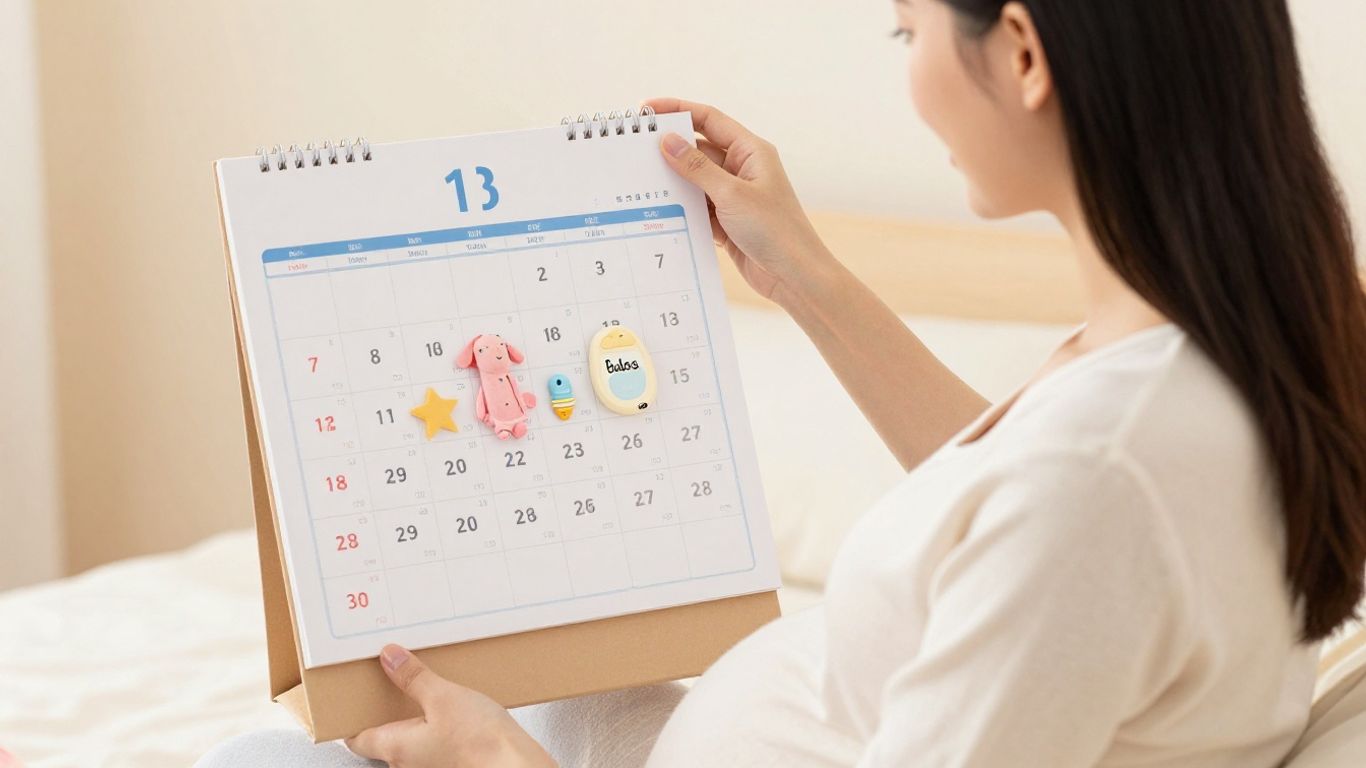
Early Pregnancy Essentials
So, you've got a positive test and a head full of "what now?" It's totally normal to feel a mix of excitement and a little bit of overwhelm. The first few months are all about getting the basics sorted. Think of it as laying the groundwork for your little one's arrival. This is the time to really focus on your health and start making some key decisions.
Here's a breakdown of what to tackle:
- Confirm Your Pregnancy & Find Your Care Provider: If you haven't already, take that home test! Then, it's time to find an OB-GYN or midwife. This person will be your go-to for all things pregnancy-related. Schedule that first prenatal appointment – it's a big step!
- Start Prenatal Vitamins & Healthy Habits: Get those prenatal vitamins going ASAP. They're packed with the good stuff your baby needs to grow. Also, start thinking about what you're eating and drinking. Cut back on caffeine, avoid risky foods, and try to get some gentle movement in most days. Hydration is your friend!
- Review Your Finances & Insurance: Let's be real, babies cost money. It's smart to look at your health insurance to see what's covered for prenatal care and delivery. Also, start thinking about how maternity leave will affect your budget. A little planning now can save stress later.
- Talk About Parenting: Chat with your partner about your hopes and ideas for raising your child. These early conversations set the stage for future discussions.
It's easy to get caught up in the 'doing' of pregnancy, but remember to also check in with yourself emotionally. This is a huge life change, and acknowledging your feelings is just as important as ticking off tasks.
Mid-Pregnancy Preparations
Welcome to the second trimester! Many people report feeling a bit more energetic and less nauseous now, which is fantastic. This is often called the "golden period" of pregnancy, and it's a great time to get more involved in planning. Your baby bump is likely becoming more noticeable, and you might start feeling some new sensations. It's a good time to start thinking about the bigger picture.
- Announce Your News: If you haven't already, now's a good time to share your exciting news with friends, family, and your workplace.
- Shop for Maternity Clothes: As your body changes, you'll want clothes that fit comfortably. Start looking for maternity wear that makes you feel good.
- Plan Your Babymoon: Consider a relaxing trip with your partner before the baby arrives and travel becomes more complicated. It's a wonderful way to connect before your family grows.
- Start Thinking About Childcare: If you plan to use childcare, begin researching options like daycare centers or nannies. It's never too early to explore what's available.
- Create Your Baby Registry: Start putting together a list of items you'll need for the baby. This is helpful for baby showers and for organizing your own shopping.
Late Pregnancy To-Dos
You're in the home stretch! The third trimester means your baby is getting bigger, and you're likely feeling it. You might be more tired, and your body is doing some serious preparation for labor and delivery. This is the time to finalize plans and get everything ready for the baby's arrival. You'll want to have most of your big tasks completed by around 37-38 weeks, just in case your little one decides to make an early appearance. You can find helpful hospital bag checklists to get you started packing by 37-38 weeks.
- Finalize Birth and Postpartum Plans: Think about your birth preferences and discuss them with your care provider. Also, start planning for life after the baby arrives – who will help, and what support will you need?
- Pack Your Hospital Bag & Pre-Register: Get your hospital bag packed and ready to go. It's also a good idea to pre-register at the hospital if that's an option. This saves time when you're in labor.
- Install Baby Gear: Make sure the car seat is installed correctly and any nursery furniture is set up. Safety first!
- Find a Pediatrician: If you haven't already, choose a doctor for your baby. It's good to have this sorted before the baby is born.
- Take Refresher Classes: Consider attending childbirth or breastfeeding classes to brush up on your knowledge and feel more prepared.
Staying organized can make a big difference. Consider using a pregnancy app or a journal to keep track of appointments, symptoms, and questions that pop up along the way. Tracking your journey can be really helpful.
Essential Baby Gear and Nursery Setup
Alright, let's talk about getting your home ready for the little one. This part can feel like a big one, but breaking it down makes it totally manageable. We're talking about creating a safe and cozy spot for your baby, and stocking up on the things you'll actually use.
Creating a Safe Sleep Space
This is probably the most important thing. Your baby's sleep environment needs to be safe above all else. That means a firm, flat mattress that fits snugly in the crib or bassinet. You shouldn't be able to fit more than two fingers between the mattress and the sides of the crib. Think about having a couple of washable mattress pads and at least four fitted sheets. You'll want to keep the crib clear of anything extra, like bumpers, pillows, or stuffed animals, especially in the early months. A crib mobile can be fun, but only use it until your baby can reach it. For a safe sleep space, check out the U.S. Consumer Product Safety Commission website for tips and recalls.
Stocking Up on Baby Essentials
When it comes to baby gear, it's easy to go overboard. Focus on what you'll need right away. You'll want a good supply of diapers and wipes – seriously, you can never have too many. Think about clothing too. It's helpful to have a variety of sizes and types, from onesies to sleep sacks, especially considering the season your baby is born in. Don't forget things like burp cloths, bottles (even if you plan to breastfeed, it's good to have a couple), and a thermometer. A baby monitor is also a good idea for peace of mind.
Here's a quick list of some must-haves:
- Diapers and wipes
- A few outfits in different sizes (onesies, sleep sacks)
- Burp cloths
- Bottles and formula (if not exclusively breastfeeding)
- Baby wash, lotion, and diaper cream
- Thermometer
- Car seat (properly installed!)
Remember, babies grow fast, so don't buy too much in one size. It's better to have a few basics and then buy more as you figure out what works best for you and your baby.
Designing Your Little One's Haven
Now for the fun part – making the nursery feel like a special place! While it's tempting to go all out with themed decor, remember that babies don't need a fancy room to be happy. Focus on creating a calm and functional space. A comfortable rocking chair or armchair is a lifesaver for late-night feedings and snuggles. Good lighting, maybe a lamp with a dimmer, can make a big difference. Storage is key, so think about dressers, shelves, and baskets to keep things tidy. You might also want a changing table or a secure changing pad for the top of a dresser. Having a designated spot for baby gear makes everything feel more organized. You can find some great ideas for setting up your baby's room here.
Don't forget about practical items like a diaper pail and a baby swing or bouncer for those times you need an extra hand. And when it comes to clothes, wash everything before your baby arrives; it makes the fabric softer and gets a big task out of the way. You'll also want to make sure your car seat is correctly installed well before your due date; it's a critical piece of baby gear [d095].
Prioritizing Your Well-being Throughout Pregnancy
Pregnancy is a marathon, not a sprint, and taking care of yourself is just as important as preparing the nursery. Think of it as building your own personal support system, both inside and out. This isn't just about feeling good; it's about setting yourself up for a smoother pregnancy, a better birth experience, and a stronger start to motherhood.
Embracing Prenatal Fitness
Moving your body during pregnancy can make a world of difference. It's not about intense workouts, but about finding gentle ways to stay active. Think swimming, prenatal yoga, or even just brisk walks. Regular movement can help manage common pregnancy discomforts like backaches and swelling, boost your mood, and prepare your body for labor. Plus, it's a great way to connect with your changing body.
- Listen to your body: Don't push yourself too hard. Modify exercises as needed.
- Stay hydrated: Drink plenty of water before, during, and after exercise.
- Consult your doctor: Always check with your healthcare provider before starting or changing any exercise routine.
Nourishing Your Body and Mind
What you eat and how you manage stress plays a huge role. Focus on a balanced diet filled with fruits, vegetables, lean proteins, and whole grains. This fuels both you and your growing baby. Beyond food, mental well-being is key. Finding ways to de-stress, whether through meditation, journaling, or simply enjoying a quiet cup of tea, can significantly impact your pregnancy. Remember, a calm mind contributes to a healthier pregnancy.
Taking time for yourself isn't selfish; it's a necessity. Your mental and emotional state directly influences your physical health and your baby's development. Prioritize activities that bring you joy and peace.
Managing Physical Changes and Discomforts
Your body is going through some pretty amazing transformations, and with that come new sensations and sometimes, discomforts. Things like nausea, fatigue, and aches are common. Staying informed about what's happening can help. For instance, understanding pelvic floor health can be incredibly beneficial for managing discomfort and preparing for postpartum recovery. Don't hesitate to talk to your doctor or midwife about any concerns you have; they can offer practical advice and solutions to make you more comfortable.
Taking care of yourself during pregnancy is super important. Remember to make time for rest, eat well, and do things that make you feel good. It's all about staying healthy and happy for both you and your baby. Want a simple way to keep track of everything you need? Visit our website to create your own personalized pregnancy checklist!
You've Got This!
Wow, that was a lot, right? Going through pregnancy is a huge deal, and keeping track of everything can feel like a full-time job on top of, well, growing a human. But look at you – you’ve made it through the checklists, trimester by trimester. Whether you’re just starting out or packing your hospital bag, remember that this whole journey is about progress, not perfection. Take a deep breath, trust your instincts, and know that you’re doing an amazing job preparing for your little one. Soon enough, all this planning will lead to the most incredible adventure. You’ve got this!
Frequently Asked Questions
When should I start thinking about a doctor for my pregnancy?
As soon as you find out you're pregnant, it's a good idea to start looking for a doctor or midwife. This is important for your health and your baby's health. They'll help you figure out what tests you need and give you advice.
What are the most important things to do in the first trimester?
In the first trimester, focus on taking care of yourself. Start your prenatal vitamins, eat healthy foods, and stay hydrated. It's also a good time to talk with your partner about your expectations and check your health insurance.
What should I focus on during the second trimester?
The second trimester is often when you start feeling more energetic. It's a great time to plan bigger things like designing the baby's room, looking into childcare options, and refining your birth plan with your support team.
What are the must-do tasks in the third trimester?
As you get closer to your due date, it's time to pack your hospital bag, install baby gear like the car seat, and make sure your home is ready. Also, finalize your plans for after the baby arrives, like breastfeeding and who will help you at home.
How can I prepare for breastfeeding before the baby comes?
You can prepare for breastfeeding by taking a class to learn about latching and feeding positions. Meeting with a lactation consultant is also helpful. They can answer your questions and help you feel more confident.
What's the best way to manage stress during pregnancy planning?
It's normal to feel overwhelmed, but try to break down tasks into smaller steps. Spread out your to-do list over the trimesters. Also, remember to take care of yourself by resting, eating well, and doing gentle exercises. Don't hesitate to ask for help from your partner or loved ones.
Ready to get prepared?
Build your personalized pregnancy checklist
Free, personalized, and built around your birth plan, budget, and due date.
Start My Checklist — Free →