"C-Section Hospital Bag: What's Different From a Vaginal Birth Bag"
Discover the essential c section hospital bag checklist! Pack smart for surgical recovery, comfort, and baby's needs. What's different from a vaginal birth bag?

So, you're getting ready for a C-section and wondering if your hospital bag needs a different setup than if you were planning a vaginal birth. You're right, it does! Because a C-section is surgery, recovery looks a bit different, and you'll likely be staying in the hospital a little longer. This means packing a few extra things to make sure you're comfortable and have everything you need for both the surgery itself and the healing process afterward. Let's break down what should go into your c section hospital bag checklist.
Key Takeaways
- A C-section hospital bag checklist differs from a vaginal birth bag because it's a surgical procedure, often requiring a longer hospital stay (3-5 days) and specific recovery items.
- Pack a pre-op bag with critical documents, ID, insurance, a birth plan, and comfort items like lip balm and socks for the initial hospital arrival and waiting period.
- Focus on post-op comfort with high-waisted underwear, loose clothing that won't irritate the incision, gentle toiletries, and extra pillows for support.
- Include practical extras like a long phone charger, snacks, hydration drinks, and entertainment for a potentially longer stay.
- For baby, pack sleepers, a going-home outfit, diapers, wipes, and a car seat, but remember the hospital often provides many newborn essentials.
Why Your C-Section Hospital Bag Checklist Differs
So, you're getting ready for a C-section. That's a big deal, and it's totally normal to wonder if your hospital bag needs to be different from one packed for a vaginal birth. The short answer? Yes, it does, and here's why.
Understanding the Surgical Approach
A C-section, or Cesarean birth, is a surgical procedure. This means incisions are made through your abdomen and uterus to welcome your baby. Unlike a vaginal birth that might start spontaneously, many C-sections are planned. This surgical nature means your body will be healing from an operation, which is a key difference.
- Recovery Focus: Your needs will center around healing a surgical site, managing pain differently, and dealing with potential mobility limitations.
- Incision Care: Items that avoid pressure or irritation around your incision will be super important.
- Medical Monitoring: You'll likely be monitored more closely post-surgery.
Because a C-section is surgery, your recovery will involve different considerations than a vaginal birth. Think about comfort and ease of movement with a healing incision in mind.
Anticipating a Longer Hospital Stay
Generally, a C-section often means a longer stay in the hospital compared to a vaginal delivery. While vaginal births might have you heading home in a day or two, a C-section typically requires 3 to 5 days, sometimes more. This extended time means you'll want to pack more items to keep you comfortable and occupied.
- More Clothing: Pack a few extra outfits, loungewear, and underwear.
- Extended Comfort: Bring more personal toiletries and comfort items.
- Entertainment: More books, chargers, or downloaded shows might be a good idea.
Focusing on Surgical Recovery Needs
This is where the biggest differences lie. Your hospital bag needs to be stocked with items specifically chosen to support your surgical recovery. This isn't just about general postpartum care; it's about post-operative care.
- High-Waisted Underwear: These are a lifesaver because they sit above your incision, avoiding any painful rubbing. You'll want several pairs of disposable and high-waisted underwear.
- Loose, Soft Clothing: Think flowy gowns, robes, and pajama bottoms with elastic waistbands that don't dig in.
- Pain Management Aids: While the hospital will provide some, you might want to bring your own preferred pain relief options or comfort items like a nursing pillow to help support your abdomen during feeding.
- Gentle Toiletries: Anything that's easy to use and won't irritate sensitive skin is a plus.
Essentials for Pre-Op and Labor Day
Alright, let's talk about what you absolutely need for the initial part of your hospital stay, especially for a C-section. Think of this as your 'get settled and ready' bag. Since a C-section is surgery, things might move a little differently than you expect, and having these items handy right from the start can make a big difference.
Critical Documents and Identification
This is super important, so don't skip it! You'll need these as soon as you arrive. It's a good idea to have them all in one place, maybe a folder or a large envelope.
- Photo ID: Yours, of course.
- Insurance Card/Paperwork: Make sure it's up-to-date.
- Hospital Paperwork: Any forms the hospital sent you home with.
- Birth Plan Copies: If you have one, bring a few copies for the medical team. It's also smart to include your pediatrician's contact info here.
- List of Medications: A current list of any medications you're taking.
Having all your important documents organized and easily accessible will save you a lot of stress when you're checking in. It's one less thing to worry about when you're focused on getting ready for your baby.
Comfort Items for the Waiting Period
Sometimes there's a bit of a wait before you head to the operating room, or you might be in a pre-op area. Having a few things to keep you comfortable can be a lifesaver.
- Comfy Socks: Hospital socks are okay, but a pair of your own cozy, non-slip socks can make you feel more human. Look for ones with good grip!
- Lip Balm and Moisturizer: Hospital air can be really dry. A good lip balm and a small moisturizer can make a world of difference.
- Hair Ties or Headband: If you have long hair, keeping it out of your face is a must.
- Glasses: If you wear contacts, you'll likely need to remove them before surgery, so bring your glasses. Check with your hospital about their specific policy on contact lenses.
- Entertainment: A book, a downloaded playlist, or a magazine can help pass the time.
Personal Care for Immediate Needs
These are the little things that help you feel a bit more like yourself, even before you're settled into your recovery room.
- Toothbrush and Toothpaste: A fresh brush can make you feel so much better.
- Face Wipes: Sometimes a quick refresh is all you need.
- Dry Shampoo: You might not be able to shower right away after surgery, so dry shampoo is a game-changer.
- Deodorant: Simple, but important!
- Phone Charger: Make sure it's a long one so you can reach your phone easily from the bed. A portable charger is also a smart idea.
Packing for Post-Op Comfort and Recovery
Okay, so you've had your C-section, and now it's all about feeling as comfortable as possible while your body heals. This isn't just about having a few extra things; it's about making your hospital stay much more manageable after major surgery. Think soft fabrics, things that don't put pressure on your incision, and items that make everyday tasks a little easier.
High-Waisted Underwear and Soft Clothing
Forget those flimsy hospital mesh undies if you can. Bringing your own is a game-changer. High-waisted underwear is your best friend right now because it sits above your incision, avoiding any irritation. Cotton is usually the most comfortable choice. When it comes to clothing, loose is the way to go. Think comfy nightgowns or pajama sets with soft waistbands that won't dig in. A lightweight robe is also super handy for when you need to get up or have visitors. You'll likely be in the hospital for a few days, so having a couple of changes of clothes that feel good against your skin is key.
Nursing Essentials for Breastfeeding Moms
If you plan to breastfeed, packing a few specific items can make a big difference. A good nursing bra or a comfortable nursing tank top is a must. Nursing pads are also important to catch any leaks. And don't forget a nursing pillow! It's not just for feeding the baby; it can also help support your belly and keep the baby from putting pressure on your incision during feeding times. Some moms also find nipple cream helpful right from the start.
Gentle Toiletries for a Tender Body
After surgery, your skin might feel a bit sensitive, and you might not be able to shower immediately. Pack some gentle toiletries to keep you feeling fresh. Things like face wipes, dry shampoo (a lifesaver!), and a soft toothbrush and toothpaste are great. A good lip balm is also a good idea because hospital air can be really dry. Consider bringing your favorite gentle body wash and lotion if you have sensitive skin. A small, soft towel from home can also feel more comforting than the hospital ones.
Remember, your body has been through a lot. Prioritizing comfort and ease with your clothing and personal items will significantly impact your recovery experience. Don't hesitate to ask your partner or a friend to bring you specific items if you realize you've forgotten something.
Here are a few things to consider for your post-op comfort:
- Underwear: 2-3 pairs of high-waisted, cotton underwear.
- Clothing: 2-3 loose-fitting nightgowns or pajama sets.
- Outerwear: 1 comfortable, lightweight robe or cardigan.
- Footwear: Slip-on slippers or non-skid socks.
- Nursing: Nursing bras, nursing pads, and nipple cream if breastfeeding packing for a C-section.
- Toiletries: Face wipes, dry shampoo, lip balm, toothbrush, toothpaste, and deodorant.
Comfort and Practical Extras for Mom
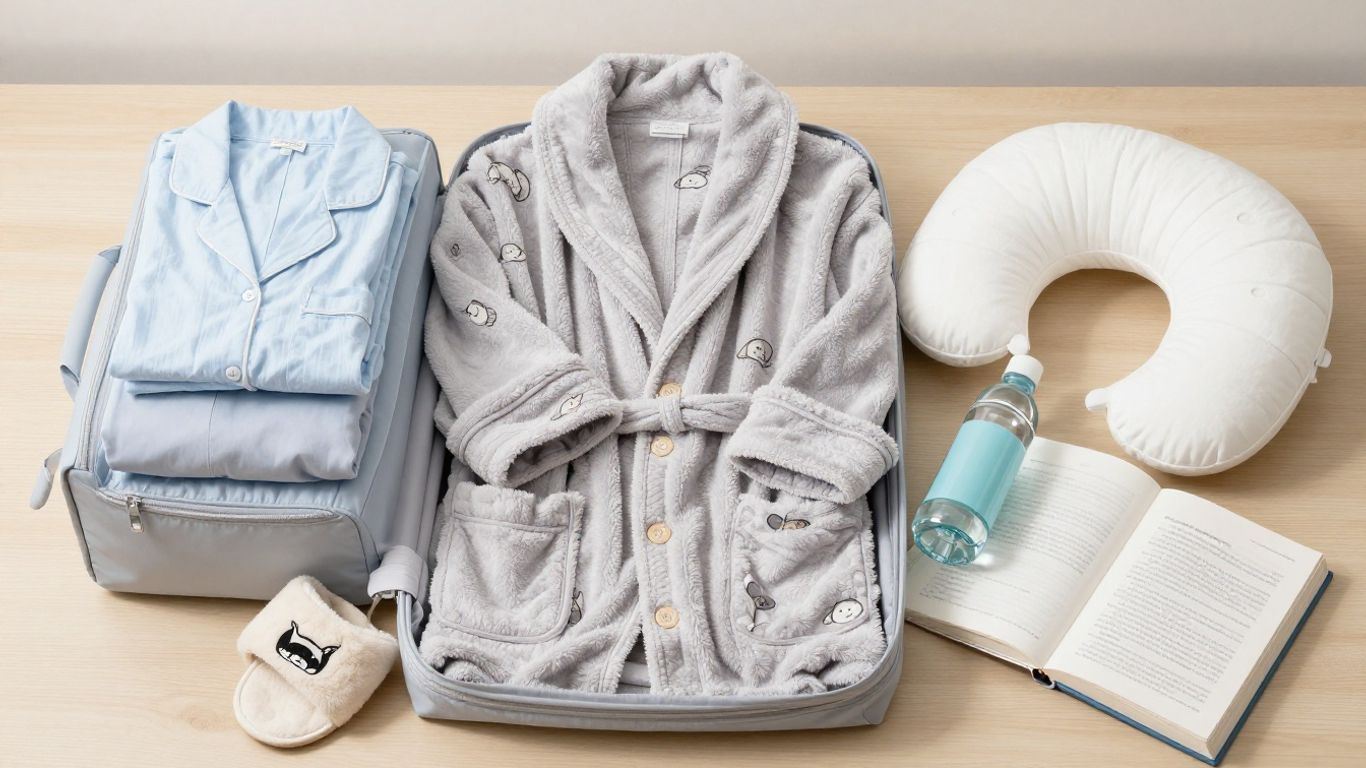
Okay, so you've got the medical necessities covered, but let's talk about making your hospital stay actually comfortable. Because let's be real, after major surgery, comfort is king (or queen!). Think of these items as your personal spa kit for the hospital.
Pillows and Blankets for Support
Don't underestimate the power of a good pillow! While the hospital will provide some, bringing your own can make a world of difference. A few extra pillows can be a lifesaver for:
- Abdominal Support: Placing a pillow gently over your incision when you cough, sneeze, or move can provide much-needed relief.
- Nursing Comfort: Getting into a good nursing position can be tricky. Extra pillows can help you prop yourself and your baby up just right.
- General Lounging: Sometimes you just need something soft to lean against or tuck under your arm.
A cozy blanket from home can also make your sterile hospital room feel a bit more like your own sanctuary. It's a small thing, but it can really boost your mood.
Hydration and Snack Solutions
Staying hydrated is super important, especially if you're breastfeeding. Hospitals have water, of course, but having your own reusable water bottle with a straw makes sipping much easier, especially when you're recovering and might not want to sit up fully. A spray bottle with a mist setting can also be surprisingly refreshing for your face on a stuffy hospital day. Staying hydrated is key!
And snacks? Oh, the snacks. Hospital food is... well, it's hospital food. Having a stash of your favorite non-perishable snacks can be a real mood-booster and energy saver. Think granola bars, nuts, dried fruit, or crackers. Just make sure they're easy to open and eat with one hand if needed.
Entertainment and Charging Needs
Your phone is probably going to be your lifeline for contacting family and friends, but that battery drains fast! Pack a long charging cable so you can stay connected even if the outlet is a bit far from your bed. A portable power bank is also a smart idea, just in case.
Beyond your phone, consider bringing a book, a tablet with downloaded shows, or a playlist of your favorite music. Downtime in the hospital can be long, and having something to distract you or help you relax can be a real sanity saver. You might even want to pack headphones so you can enjoy your entertainment without disturbing your baby or roommate.
Remember, the goal here is to make your recovery as smooth and pleasant as possible. These little extras can significantly improve your experience, turning a potentially stressful time into one where you feel more cared for and in control. Don't hesitate to pack a few things that bring you comfort and joy.
| Item | Purpose |
|---|---|
| Extra Pillows | Abdominal support, nursing, general comfort |
| Cozy Blanket | Familiar comfort, warmth |
| Water Bottle | Easy hydration, especially with a straw |
| Snacks | Energy boost, mood lifter |
| Long Charger | Keep devices powered up |
| Power Bank | Backup power on the go |
| Entertainment | Distraction, relaxation |
| Headphones | Personal listening without disturbance |
Baby's Needs: A C-Section Hospital Bag Checklist
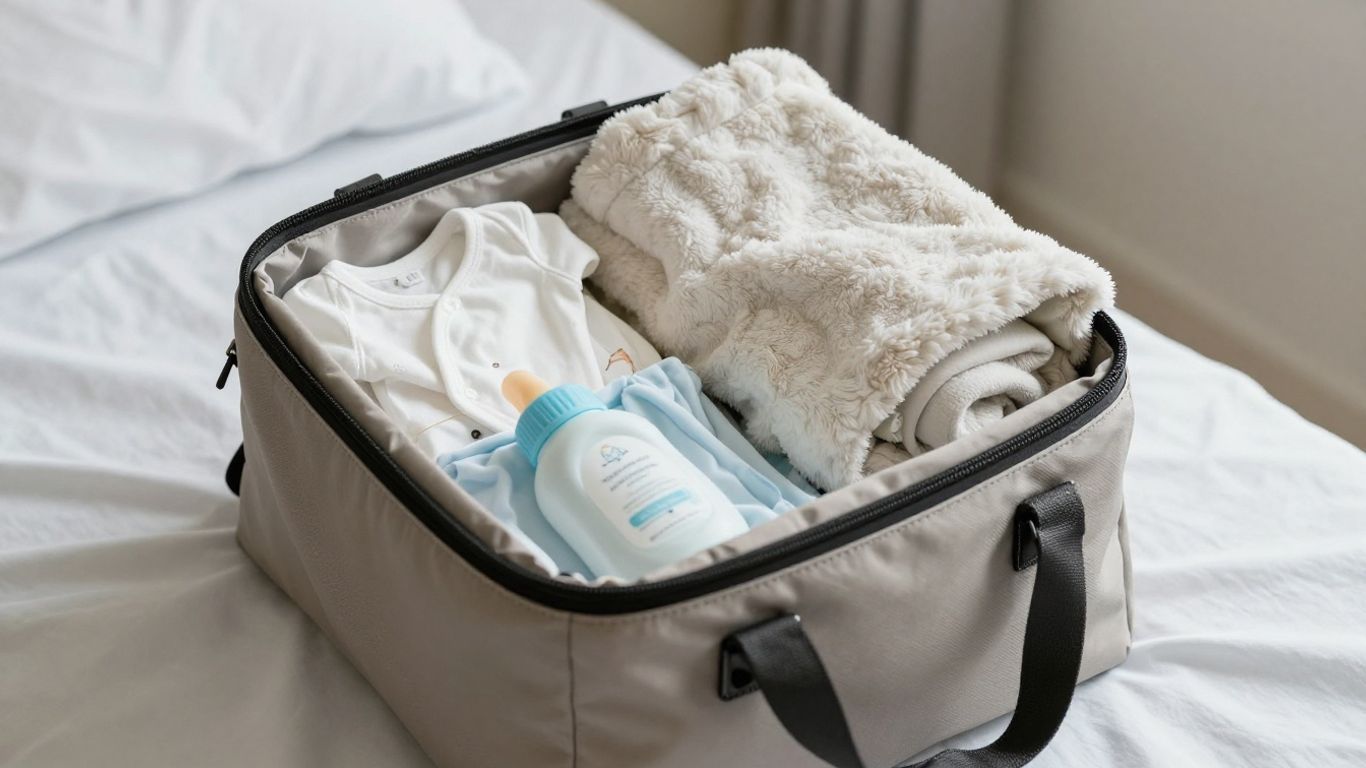
Even though your little one is the star of the show, packing for them after a C-section has a slightly different feel. Since you'll likely be recovering and moving a bit slower, having their essentials ready to go makes a big difference. The hospital usually provides the basics, but bringing a few of your own items can make things more comfortable for both of you.
Essential Sleepers and Going-Home Outfits
When it comes to clothing for your newborn, think simple and soft. You'll want a few outfits that are easy to get on and off, especially with a healing abdomen. Zippers are often easier than snaps when you're tired and maybe a little sore.
- 2-3 Sleepers: Look for ones with zippers. These are lifesavers in the middle of the night. Consider bringing a mix of newborn and 0-3 month sizes, just in case.
- Going-Home Outfit: Pick something comfortable and weather-appropriate. Again, zippers are your friend here. It's nice to have a special outfit for that first trip home.
- Soft Hat: A simple cotton hat can help keep your baby warm.
Diapering Supplies and Comfort Items
While the hospital will have diapers and wipes, some parents prefer to use their own preferred brands from the start. It's also nice to have a few familiar items for your baby's comfort.
- Diapers: Pack a small pack of newborn diapers. You might want to bring a few different brands to see what works best for your baby.
- Wipes: A travel pack of sensitive baby wipes is handy.
- Pacifier: If you plan to use one, bring a couple of your chosen brand. The hospital might have some, but having your own can be helpful.
Remember, the hospital provides a lot of the day-to-day baby necessities. Focus on bringing a few key items that will make your baby feel secure and make your life a little easier during your stay. You don't need to pack a full wardrobe for your little one.
Car Seat for a Safe Departure
This is one item you absolutely cannot forget. Make sure the car seat is installed correctly in your car before you head to the hospital. Many hospitals require you to show proof of a properly installed car seat before they will allow you to leave with your baby. It's a good idea to have a practice run or get it checked by a certified technician. You can find resources for car seat installation online or through local safety organizations. Having this sorted ahead of time takes one big worry off your plate.
Smart Packing Strategies for Your Stay
Okay, let's talk about getting your hospital bags sorted. It might seem like a lot, but a little planning goes a long way, especially with a C-section. Thinking ahead can make your hospital stay so much smoother.
The Two-Bag Approach: Pre-Op vs. Main Stay
This is a game-changer. Instead of one giant bag that you'll have to dig through, consider splitting things up. One smaller bag or tote can hold your absolute must-haves for right before surgery and immediately after. Think documents, your phone, a charger, maybe some lip balm and a hair tie. This way, your support person can easily grab it for you without rummaging. The main, larger bag can then be brought to your room once you're settled, holding the bulk of your clothing, toiletries, and comfort items.
- Pre-Op Bag: Critical documents, phone, charger, glasses/contacts, lip balm, hair ties.
- Main Stay Bag: Clothing, toiletries, nursing supplies, comfort items, snacks.
Having your bags organized like this means you won't be fumbling for important papers or your favorite comfy socks when you're feeling groggy. It's all about easy access.
When to Pack Your Hospital Bags
Don't wait until the last minute! For a planned C-section, aim to have your bags packed and ready to go by 37 weeks. Things can happen sooner than you think, and you don't want to be scrambling. Having them ready means you can focus on getting to the hospital and on your baby, not on what you forgot.
Consulting Your Hospital's Guidelines
Every hospital is a little different. Before you finalize your packing list, it's a really good idea to check with your hospital. They can tell you what they provide (like basic toiletries, pads, and mesh underwear) and what you might want to bring yourself. Some hospitals even have a list of recommended items for C-section patients. Knowing this beforehand can help you pack smarter and avoid bringing unnecessary items. You can usually find this information on their website or by asking during a pre-admission appointment. This is also a good time to ask about their policies on things like visitors and meal services, which might influence what else you want to bring for yourself or your support person. For example, if they have limited visiting hours, you might pack more entertainment options for yourself. If they have a great cafeteria, you might pack fewer snacks. It's all about tailoring it to your specific situation and hospital.
Packing smart can make your trip so much easier! Think about what you'll really need and try to fit it all into less space. Want to learn more about how to pack like a pro? Visit our website for all the best tips and tricks!
Wrapping It Up
So, there you have it! Packing for a C-section definitely has its own little twists compared to a vaginal birth bag. It's all about making sure you're super comfortable and have what you need for a bit of a longer recovery. Think soft clothes, things that don't put pressure on your belly, and anything that makes resting and healing a bit easier. You've got this! Getting that bag ready is just one more step in preparing for your little one's arrival. Take a deep breath, double-check your list, and get ready for the amazing journey ahead.
Frequently Asked Questions
Why do I need a different hospital bag for a C-section?
A C-section is a surgery, so your body will need different things to heal. You'll likely stay in the hospital longer, and you'll need items that are gentle on your healing belly and make moving around easier. Think comfy, loose clothes and things to help with recovery.
When should I pack my C-section hospital bag?
It's smart to have your bags ready by week 37 of your pregnancy. Since C-sections can sometimes be planned for around week 39, packing early means you're prepared if your baby decides to come a little sooner or if your surgery date changes.
How long should I pack for?
Plan to pack enough for about 3 to 5 nights in the hospital. C-section recovery usually takes a bit longer than a vaginal birth, so having a few extra days' worth of clothes and toiletries is a good idea.
What are the most important things for C-section recovery?
High-waisted underwear is key because it won't rub against your incision. Also, pack loose, soft clothing like gowns or pajama sets that are easy to put on and take off. Things that help you relax and feel comfortable, like extra pillows and your own blanket, are great too.
Does the hospital give me everything I need for postpartum care?
Most hospitals will give you some basics like mesh underwear, large pads, and pain medicine. They might also have an abdominal binder. However, it's a good idea to bring your own preferred items, especially comfy underwear and clothes, because what the hospital provides might not be exactly what you like or need for comfort.
What's different for the baby's bag if I have a C-section?
For your baby, the essentials are pretty much the same whether it's a C-section or vaginal birth. You'll need a few outfits, diapers, wipes, and a car seat. The main difference is that you might want to pack a bit more so you don't have to move around as much to get things for the baby while you're recovering.
Ready to get prepared?
Build your personalized pregnancy checklist
Free, personalized, and built around your birth plan, budget, and due date.
Start My Checklist — Free →