"Minimalist Baby Registry: Only the 35 Items You Actually Need"
Simplify your life with a minimalist baby registry! Discover the 35 essential items you actually need for your little one. Less clutter, more joy!

Putting together a baby registry can feel like a marathon. You're excited, sure, but also maybe a little overwhelmed by all the choices. It's so easy to get caught up in what looks cute or what everyone else seems to have. But honestly, when it comes down to it, you don't need a mountain of stuff for your new little one. This minimalist baby registry focuses on the absolute must-haves, the things you'll actually reach for again and again, helping you keep things simple, organized, and budget-friendly.
Key Takeaways
- Focus on the essentials for diapering, feeding, and sleep. You'll use these items most frequently.
- A minimalist baby registry helps reduce clutter and saves money by avoiding unnecessary purchases.
- Consider items that are versatile and can grow with your baby to maximize their use.
- Don't forget practical items for your own comfort and sanity, like nursing tanks and a good diaper bag.
- Borrow or buy secondhand for items like clothes or larger gear when possible to be even more minimalist.
1. Diapers
Okay, let's talk about the big one: diapers. You're going to go through a mountain of these, so it's probably the most important thing to get right on your registry. Forget the fancy, super-absorbent ones that promise miracles; often, the simpler, the better. Many parents find that brands like Pampers Pure or Bambo Natural Diapers work well, offering a good balance of absorbency and gentleness on baby's skin. Some even opt for biodegradable options like Andy Pandy, though they can be pricier.
When it comes to types, disposable diapers are generally easier for most families. While cloth diapers are an option, they mean a lot more laundry and can sometimes be a bit bulky. It's a good idea to register for a variety of sizes, starting with a small pack of newborn and then moving to 0-3 months. Babies grow so fast, and what fits one day might not fit the next. You don't want to be stuck with a huge stash of newborn diapers that your little one has outgrown in a blink.
Here's a quick rundown of what to consider:
- Absorbency: Look for diapers that are good at preventing leaks, especially overnight. Blowouts are a real thing, and you want to minimize them!
- Skin Sensitivity: Choose diapers free from harsh chemicals, fragrances, and parabens. Babies have delicate skin, and you want to avoid irritation.
- Fit: A good fit is key. Diapers that are too tight can be uncomfortable, and too loose means leaks.
Don't go overboard buying massive quantities of one brand or size before the baby arrives. It's smart to get a few different types and sizes to see what works best for your baby. You can always buy more once you know what you like.
Many parents also find a portable changing station incredibly useful. It's basically a compact organizer that unfolds into a changing mat, with space for diapers, wipes, and cream. It makes those on-the-go changes so much easier, especially when you're out and about. You can even stash a few dog poop bags in there for dirty diapers – a little hack that saves a lot of hassle!
2. Wipes
Okay, let's talk about wipes. You're going to go through a mountain of these things, seriously. From diaper changes to sticky hands and faces, they become your go-to for quick cleanups. Choosing the right kind can make a big difference in your daily life.
When I was putting together my registry, I really thought about what would be gentle enough for a baby's sensitive skin but also effective. Fragrance-free options are usually a good bet, as they tend to have fewer ingredients that could cause irritation. Some parents swear by water-based wipes, which are pretty much just water and a little bit of fruit extract. Others prefer wipes with a bit more substance for those really messy situations. It’s worth trying a couple of different brands early on to see what works best for your little one.
Here's a quick rundown of what to consider:
- Gentleness: Look for "sensitive" or "fragrance-free" labels.
- Thickness and Texture: Thicker wipes can be more durable and easier to handle, especially for bigger messes. Some have a nice texture that helps with grip. Pampers Sensitive wipes are a solid choice here.
- Ingredients: If you're concerned about chemicals, opt for brands with minimal ingredients, often water-based.
- Packaging: Some wipes come in tubs, others in soft packs. Consider what's easiest to use one-handed while you're holding a wiggly baby.
You'll want to have a good stock of these from day one. Think about signing up for a subscription service or adding them to your Amazon registry so they just keep showing up at your door. It's one less thing to worry about when you're running low. Consider registering for a lot of these, or for Amazon gift cards to help cover the cost, as they are used so frequently. This guide also mentions how high their usage can be.
Don't forget to think about how you'll store them too. While a dedicated wipes dispenser isn't strictly necessary, some parents find a weighted, one-handed container really helpful for quick access. It's all about making those diaper changes as smooth as possible!
3. Diaper Rash Cream
Oh, diaper rash. It's practically a rite of passage for parents, isn't it? That angry red skin can be so upsetting to see on your little one. Having a good diaper rash cream on hand is a total lifesaver. It's not just about treating the rash when it appears, but also about preventing it in the first place.
When choosing a cream, look for ingredients that create a barrier between your baby's delicate skin and moisture. Zinc oxide and petroleum jelly are common, effective ingredients. Some parents prefer creams without petroleum jelly, opting for gentler formulations. It's really about what works best for your baby's skin. You might find yourself trying a couple of different brands before landing on your go-to.
Here are a few things to keep in mind:
- Apply generously: Don't be shy with the cream, especially at diaper changes before bedtime when the baby will be in the diaper for a longer stretch.
- Clean and dry: Always make sure the diaper area is clean and completely dry before applying the cream. This helps it stick better and work more effectively.
- Consider the ingredients: Look for creams that are free from fragrances, parabens, and other potential irritants if your baby has sensitive skin.
Having a reliable diaper rash cream is one of those small things that makes a big difference in keeping your baby comfortable. It's a simple step that can prevent a lot of fussiness and discomfort. You'll want to keep a tube in your diaper bag, too, for on-the-go changes. Some parents even find a portable changing station helpful for keeping everything organized like this one.
Sometimes, even with the best prevention, a rash can pop up. It's good to have a trusted cream ready to go. Think of it as your secret weapon against those red, irritated patches. It's a small item, but it packs a punch when it comes to baby comfort.
4. Breast Pump
Okay, let's talk about the breast pump. If you plan on breastfeeding, even if it's just occasionally, this is a game-changer. You'll likely need one sooner than you think, so getting it sorted early is smart. Many insurance plans cover a breast pump, so definitely look into that. It's a bit of a process, but worth it to get one without paying out of pocket.
There are a few types, but most people end up with an electric one. You'll want to figure out if you need a double electric (pumps both breasts at once) or a single. Double is usually faster, which is a big win when you're short on time. Some are portable, some are hospital-grade, and some are designed to be quieter. It's a good idea to research options and see what fits your lifestyle best. Getting one through insurance can sometimes limit your choices, so check what's available.
Here's a quick rundown of what to consider:
- Insurance Coverage: Contact your insurance provider early in your pregnancy to see what they cover and how to get your pump. Companies like Aeroflow can help with this process.
- Type of Pump: Double electric pumps are generally the most efficient for regular pumping.
- Portability: If you plan to pump at work or on the go, a smaller, more portable pump might be better.
- Accessories: Don't forget things like a pumping bra to keep your hands free, and a small cooler bag to store milk.
Getting a breast pump sorted before the baby arrives can save a lot of stress. It's one of those items that you might not use every single day, but when you need it, you really need it. Having it ready to go means you can start building a stash of milk or manage engorgement without a scramble.
Remember to also look into accessories that make pumping easier, like a hands-free pumping bra. It makes a huge difference when you're trying to multitask. You can find a lot of helpful info on breast pump options to get you started.
5. Bottles
Okay, let's talk bottles. Whether you're planning to breastfeed, formula-feed, or do a bit of both, you'll likely need some bottles on hand. It can feel a little overwhelming trying to pick the "right" ones because there are just SO many options out there. Some babies are super picky, and others will take pretty much anything.
It's a good idea to start with a small variety rather than stocking up on dozens of just one kind. You can always get more of what works once you know your baby's preference. Many parents find that glass bottles are a good choice because they don't contain plastics. Brands like Life Factory offer glass bottles with silicone sleeves, which make them easier to grip and less likely to break.
Here are a few things to consider when picking bottles:
- Material: Glass, BPA-free plastic, or silicone are common choices. Glass is durable and doesn't leach chemicals, but it can be heavier and breakable. BPA-free plastic is lighter and less prone to breaking. Silicone is soft and flexible.
- Nipple Type: Nipples come in different shapes and flow rates (newborn, slow, medium, fast). It's best to start with a slow-flow or newborn nipple to mimic breastfeeding and prevent choking.
- Ease of Cleaning: Look for bottles with fewer parts that are easy to take apart and clean. A good bottle brush is a must-have for this!
Don't stress too much about having the "perfect" bottle right away. You can always grab a few different types to see what your little one prefers. If you're planning to pump, having a few bottles ready for that pumped milk is super helpful. You can even warm them up by placing them in a bowl of hot water – no fancy warmer needed!
Picking out baby bottles can feel like a big decision, but remember that babies are often more adaptable than we give them credit for. Starting with a few different options and seeing what works best is a practical approach. The goal is to have a clean, reliable way to feed your baby, whatever method you choose.
6. Bottle Brush
Okay, let's talk about the unsung hero of bottle feeding: the bottle brush. You might think, 'How complicated can a brush be?' But trust me, a good one makes a world of difference. Trying to clean out milk residue with just a sponge or cloth is a recipe for frustration and, let's be honest, potential funkiness.
A dedicated bottle brush is key to getting into all those nooks and crannies. You want something that can reach the bottom of the bottle without you having to contort your hand into a pretzel. Many brushes come with smaller attachments for nipples and other tiny parts, which is super handy.
Here's what to look for:
- Bristle Type: Look for a mix of soft and firm bristles. Soft ones are great for general cleaning, while firmer ones can tackle stubborn dried milk.
- Handle Length and Grip: A longer handle makes it easier to reach the bottom of taller bottles. A comfortable grip prevents slips, especially when wet.
- Nipple Brush Attachment: Many brushes include a smaller, more detailed brush specifically for cleaning bottle nipples and other small accessories.
Keeping your baby's bottles sparkling clean is more than just about appearances; it's about hygiene. A thorough cleaning prevents bacteria buildup, which is super important for your little one's health. Don't underestimate the power of a good scrub!
When choosing, consider the types of bottles you'll be using. Some bottles have wider mouths, while others are more narrow. The OXO Tot Bottle Brush with Stand is often recommended for its effectiveness with narrow bottles and its handy drying stand. Having a designated drying rack, like a Boon lawn, can also be a lifesaver for all those small bottle parts.
7. Burp Cloths
Okay, let's talk about burp cloths. You might think, 'How many of these do I really need?' Well, if your baby is anything like mine was, the answer is 'a lot.' Seriously, these little fabric squares are going to become your best friend, or at least, your favorite accessory.
These are non-negotiable for protecting your clothes (and your sanity) from unexpected spit-ups.
When I was getting ready, I initially thought I'd just use old towels or t-shirts. And sure, you can do that, especially if you're aiming for peak minimalism. But if your baby has reflux, or just tends to be a bit of a spitter, you'll want more than you think. I found myself reaching for them constantly after feedings, during tummy time, and honestly, just anytime the baby seemed a little gassy.
Here's a quick rundown of why they're so handy:
- Spit-up absorption: This is their main gig, and they do it well. Keeps your shoulders and clothes from getting soaked.
- Mess cleanup: Beyond spit-up, they're great for wiping little noses, hands, or even cleaning up small spills.
- Comfort: Some babies like to have something soft to hold or rub against their face during burping.
You'll want a good stack of these. While you can get fancy ones, simple, absorbent cloths work just fine. Think about registering for a few larger muslin swaddles too; they double as excellent, oversized burp cloths when you're out and about, offering more coverage than the standard size.
I ended up using a mix of things, including some Gerber cloth diapers because they were a good size and absorbent. But honestly, if you have a particularly messy baby, don't be afraid to stock up. You can always use them for other cleaning tasks later on if you end up with too many. It's better to have a few extra than to be caught without one when a big burp (or worse!) happens.
8. Milk Storage Bags
Okay, let's talk about milk storage bags. If you're planning to pump, these are going to be your best friend. They're basically little pouches designed to hold your precious liquid gold safely in the fridge or freezer. You'll want a good supply of these because you never know when you'll need to store extra milk.
There are a bunch of different brands out there, and honestly, they all do pretty much the same thing. Some have handy features like temperature sensors that change color when the milk is too warm, which is pretty neat. Others are designed to stand up on their own, making them easier to fill without spilling. I found that bags with really clear measurement markings were super helpful, so I knew exactly how much I was storing. It's also worth checking out bags that are known for being leak-proof – nobody wants a milky disaster in their fridge!
- Capacity: Most bags hold about 4-6 ounces, which is a good standard amount. You can always use multiple bags if you pump more.
- Material: Look for BPA-free materials, of course. Some are thicker than others, which might offer a bit more protection.
- Ease of Use: Features like a double zipper, a wide opening for filling, and a flat bottom for standing can make a big difference.
When you're starting out, it's probably best to grab a couple of different types to see what you like best. What works for one mom might not be the perfect fit for another, and that's totally okay. You'll figure out your groove.
Don't forget to label each bag with the date and the amount of milk. This is super important, especially if you're building up a stash. It helps you keep track of what's what and use the oldest milk first. Some bags have really easy-to-read labels, which is a small but nice detail. You can find some great options, like these Momcozy self-standing bags that even have a temperature-sensing feature.
9. Nursing Tanks
Okay, let's talk about nursing tanks. If you're planning to breastfeed or pump, these are going to be your best friend. Seriously, you'll probably live in them for a while. They're designed with easy access for nursing or pumping, and many are made from soft, stretchy material that feels great against your skin.
Having at least three good nursing tanks is a game-changer. You can wear them around the house, sleep in them, or layer them under other clothes for a bit more coverage. It's all about comfort and convenience when you're in the thick of newborn life.
When you're picking them out, think about:
- Fabric: Look for soft, breathable materials like cotton or a blend. You'll be wearing these a lot, so comfort is key.
- Fit: Some are tighter, some are looser. See what feels best for you. A good fit means easy access without feeling constricted.
- Support: While not as structured as a nursing bra, some tanks offer a bit more built-in support, which can be nice.
It's worth trying out a couple of different brands to see which style you prefer. Some are known for their incredibly soft fabric, making them a favorite postpartum top for many moms.
You might find that your size fluctuates a bit, especially in the early weeks. It's a good idea to have a few options on hand and then figure out what works best for your body and your nursing routine. Don't stress too much about having the 'perfect' set right away; you can always adjust as you go.
These tanks are super practical for everyday wear, whether you're lounging at home or out and about. They make feeding your little one so much simpler, especially when you're on the go. You can find some really great options that are both comfortable and functional, like the Bodily Always-On Nursing Tank, which is a top pick for many.
10. Nursing Bras
Okay, let's talk about nursing bras. If you're planning to breastfeed, these are going to be your best friend. Seriously, you'll probably live in them for a while. Having at least two comfortable and supportive nursing bras is a game-changer. One can be in the wash while you're wearing the other, which is a lifesaver when you're in those early, sleep-deprived days.
When you're picking them out, think about what you'll be doing. Some are super soft and great for lounging or sleeping, while others offer more support for when you're out and about. Your size can change quite a bit, especially after your milk comes in, so it might be smart to grab a couple of different styles and sizes before your due date and then swap them out if they don't fit perfectly once the baby arrives. It's a good idea to re-evaluate your needs a few weeks or months later, as your body might settle into a new normal.
Here are a few things to consider:
- Support Level: Do you need something light for sleeping or a bra that can handle a bit more activity?
- Ease of Access: How easy is it to unclip or pull down for feeding?
- Material: Soft, breathable fabrics are usually best for comfort.
Finding the right nursing bra can feel like a treasure hunt, but it's worth the effort. A well-fitting bra makes a huge difference in your comfort and confidence while breastfeeding. Don't be afraid to try a few different brands and styles to see what works best for your body and your needs.
Many moms find that a good nursing bra provides easy access for breastfeeding, along with comfort and support [9548]. Some are even designed to be comfortable enough for sleeping, while still offering support for daytime activities [5e27].
11. Nipple Cream
Okay, let's talk about nipple cream. If you're planning to breastfeed, this is one of those things you'll want to have ready from day one. Those first few days can be a bit rough as your body adjusts, and a good nipple cream can make a world of difference. It's like a little bit of magic for sore nipples.
There are a few different types out there, but many moms find lanolin-based creams to be super effective. They create a protective barrier and help soothe and heal. Some people prefer organic options, which is totally fine too. It really comes down to what feels best for you and your baby.
- Lanolin-based: Often considered the gold standard for its effectiveness.
- Organic/Plant-based: Good for those who prefer natural ingredients.
- Other balms: Some offer a mix of ingredients for added benefits.
It's not just for after feeding, either. Some moms find it helpful to apply a bit before pumping to make the flanges glide more smoothly, which can make pumping sessions more comfortable. It's a small thing, but when you're spending a lot of time nursing or pumping, every bit of comfort counts.
You might think you'll only need a tiny bit, but it's better to have a bit more than you think you'll need. Having a tube or two ready to go, maybe even one to keep at the hospital, is a smart move. It's one of those items that can prevent a lot of discomfort in those early weeks.
When you're looking, you'll see a few popular brands. Some people swear by Lansinoh Lanolin Nipple Cream, while others find different brands work better for them. It's worth checking out a few options to see what your personal preference is. Remember, what works for one person might not be the perfect fit for another, and that's okay!
12. Baby Carrier
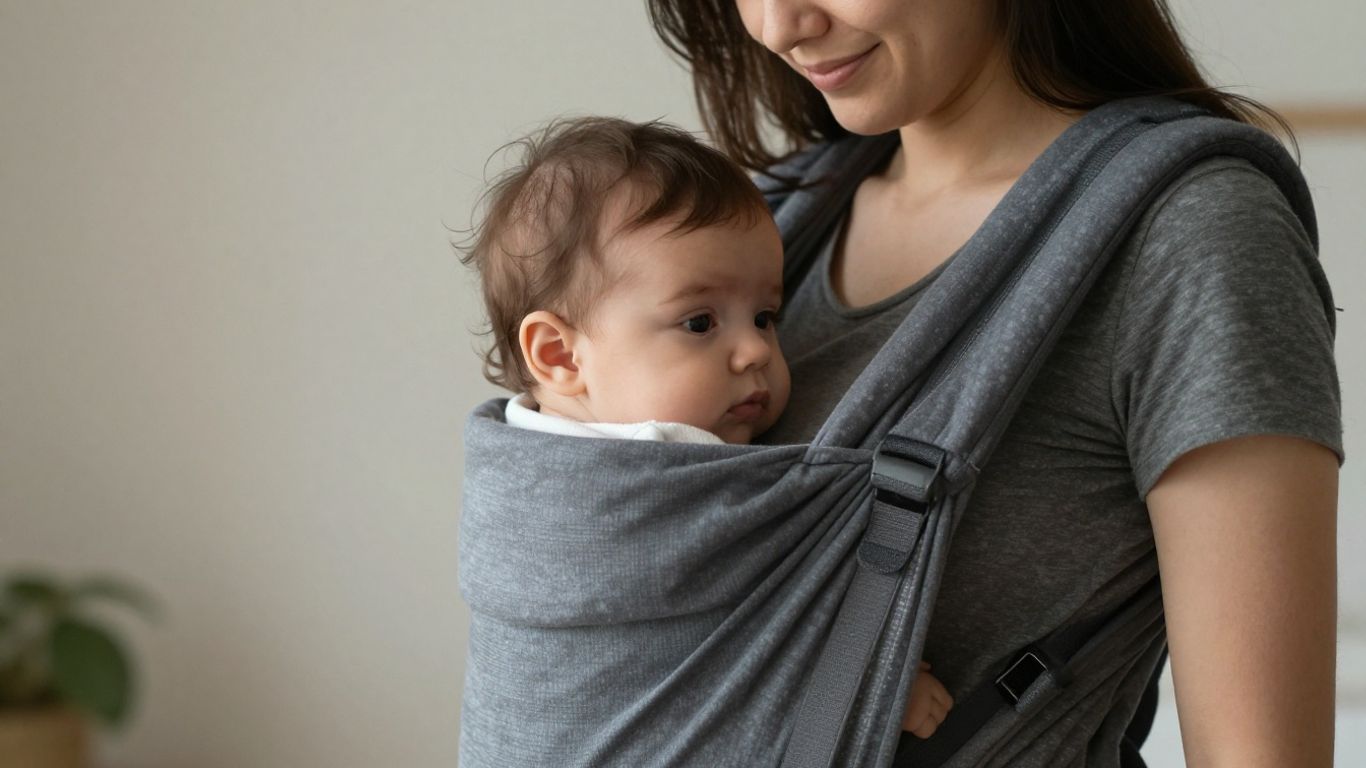
Okay, let's talk about baby carriers. This is one of those items that can feel like a total game-changer, especially when you're trying to get things done around the house or just need your hands free for a minute. Seriously, a good baby carrier is like a superpower for new parents. It lets you keep your little one close and comforted while still being able to, you know, eat a meal or walk the dog.
There are a few main types you'll see, and they all have their own vibe:
- Wraps: These are usually made of a long piece of soft fabric that you tie around yourself and the baby. They're fantastic for newborns because they create a really snug, womb-like feel. Think of it as a wearable swaddle. They can take a little practice to get the hang of, but once you do, it's pure magic for soothing a fussy baby.
- Structured Carriers: These are more like backpacks for your baby, with buckles and straps. They're often easier to get on and off than wraps, and many are designed to be ergonomic, meaning they support your back and hips well. Some can even be worn on your back once your baby is a bit older and can hold their head up.
- Slings: Similar to wraps but usually a single piece of fabric with rings to adjust the fit. They're often lighter and quicker to put on than a full wrap.
When you're picking one out, think about how you'll use it most. If you're planning on long hikes or walks on uneven terrain, a more robust structured carrier might be the way to go. For just bouncing around the house or quick trips, a wrap or a simpler sling could be perfect. Some parents even end up with a couple of different types for different situations. It's worth looking into options like the Nalakai baby carrier if you prefer a sling style.
The biggest win with a baby carrier is the closeness it provides. It's not just about convenience; it's about bonding. That skin-to-skin contact and the gentle sway as you move can be incredibly calming for both you and your baby. Plus, it makes navigating crowded places or busy sidewalks so much easier than wrestling with a stroller.
Don't feel pressured to get the fanciest or most expensive one. What works best is really personal. Some babies love being worn, and others are more content on the floor. You might find that a simple, comfortable carrier is all you need to simplify your day. It's a key piece for keeping your baby content and your hands free, which is a win-win in my book.
13. Diaper Bag
Okay, let's talk about the diaper bag. You might think you need some super specialized, designer bag with a million pockets, but honestly, you probably don't. The best diaper bag is one that works for you and your lifestyle. Think about what you actually need to carry. For us, it's usually a few diapers, a small pack of wipes, a changing pad, a spare outfit (just in case!), and maybe a snack or two for the older kiddo.
It doesn't have to be a bag called a diaper bag. A sturdy tote, a backpack you already own, or even a large purse can totally do the trick. The key is organization and ease of access. You don't want to be digging around for a diaper while your little one is having a public moment.
Here's a quick rundown of what to look for:
- Easy to Clean: Babies are messy. Period. Look for materials that wipe down easily.
- Smart Compartments: Not too many, not too few. Just enough to keep things from becoming a jumbled mess.
- Comfortable to Carry: Whether it's over your shoulder or as a backpack, you'll be carrying this thing a lot.
- Neutral Style: So you don't mind using it even when you're not out with the baby. A bag like the CalPak diaper bag can be a great option because it looks good for everyday use too.
A little hack that has saved us more than once: keep a roll of dog poop bags tucked away. They are perfect for containing dirty diapers or any blow-out clothing emergencies when you're on the go. It's a simple addition that makes a big difference.
Don't overthink this one. You can always add more pouches or organizers later if you find you need them. Start simple and see what works. And remember, you can find great wipes that are gentle and effective without breaking the bank, like Pampers Aqua Pure.
14. Portable Changing Pad
Okay, let's talk about the portable changing pad. You might think, 'Do I really need a special pad just for changing diapers when we're out?' The answer is a resounding yes, especially if you're aiming for a minimalist approach. It's not about having a fancy setup; it's about practicality and hygiene when you're on the go.
This little item is a game-changer for quick changes anywhere. Think park benches, the back of your car, or even a tiny airplane bathroom. It gives you a clean, designated surface, so you're not wondering what's lurking on that public changing station or that questionable picnic table. Plus, it keeps your baby from getting cold or uncomfortable.
Most portable changing pads are designed to fold up neatly, often fitting right into your diaper bag or even a large pocket. Some are standalone, while others are integrated into diaper bags themselves. When unfolded, they provide a cushioned, wipeable surface. Many also have little pockets for a couple of diapers and some wipes, so you don't have to rummage through your entire bag.
Here's what to look for:
- Wipeable Surface: This is non-negotiable. You need something you can easily clean up after each use.
- Compact Fold: It should fold down small enough to be convenient to carry.
- Cushioning: A little padding makes a big difference for your baby's comfort.
- Integrated Pockets (Optional but nice): Handy for stashing essentials.
Having a portable changing pad means you can handle diaper duty with a bit more confidence and a lot less stress when you're away from home. It's one of those simple things that makes a surprisingly big impact on your day-to-day outings with the little one.
When choosing one, consider how it will fit with your diaper bag. Some diaper bags come with a matching pad, which can be super convenient. If you're buying one separately, look for something that folds flat, like this option that folds to 7x10 inches for convenient storage. It's about making life a little bit easier, one diaper change at a time.
15. Stroller
Okay, let's talk strollers. This is one of those items that can get really complicated, but honestly, you probably only need one good one. Think about your lifestyle. Do you live in a city and mostly walk everywhere? Or do you drive a lot and just need something for quick trips to the store or park?
The best stroller for you is one that fits your daily life.
If you're doing a lot of walking on varied terrain, like gravel paths or even just bumpy sidewalks, a jogging stroller with bigger, air-filled tires can be a game-changer. They handle rougher ground way better than those smaller, plastic wheels. On the flip side, if you're mostly doing smooth pavement and need something super easy to fold and stash in your car, a lighter, more compact model might be your best bet. Many strollers now have adapters so you can click your infant car seat right into the frame, which is super handy when your baby is still tiny and might fall asleep in the car.
Here are a few things to consider when picking:
- Maneuverability: Can you push it easily with one hand? This is surprisingly important when you're juggling a baby and a coffee.
- Folding Mechanism: How easy is it to fold and unfold? Can you do it with one hand? Does it fold flat or stand on its own?
- Storage Basket: How much stuff can you actually fit underneath? This is where diaper bags, groceries, and random park finds end up.
- Weight and Size: Will you be lifting it in and out of your car often? How much space does it take up when folded?
You don't need a stroller that does everything. Focus on the primary way you'll use it. A stroller that clicks with your car seat is a great starting point for most families. You can always add a different type later if you find you really need it, but start simple. For a practical registry, consider a versatile option that can grow with your child, like a model that allows for different seating configurations or accepts a bassinet attachment. Building a smarter checklist can help you avoid over-registering for this big-ticket item.
16. Car Seat
Okay, let's talk car seats. This is one of those items that's absolutely non-negotiable from the moment you leave the hospital. Safety is the absolute top priority here, so make sure whatever you choose meets all the current safety standards. There are a couple of main types to consider: the infant car seat and the convertible car seat.
Infant car seats are designed for newborns and typically click into a base that stays in the car. Many of them also click into compatible strollers, creating a handy travel system. This can be super convenient for those early days when your baby is still sleeping a lot. Convertible car seats, on the other hand, can be used from birth all the way through toddlerhood, and sometimes even beyond. They don't typically move between a base and a stroller, but they offer a longer lifespan.
Here's a quick rundown:
- Infant Car Seat: Great for newborns, often part of a travel system, and generally lighter to carry.
- Convertible Car Seat: Grows with your child, potentially the only car seat you'll need.
- Travel System: Combines an infant car seat with a compatible stroller for easy transitions.
When you're looking, check out reviews for ease of installation – that's a big one! Nobody wants a wrestling match every time they put the baby in the car. Also, consider the weight of the seat itself, especially if you plan on using an infant seat that you'll be carrying around a lot. Some are surprisingly heavy!
Choosing the right car seat is a big decision, and it's worth spending a bit of time researching. Think about your car, your lifestyle, and what will make your life easiest while keeping your little one safe. Don't be afraid to ask for help at the store if you're unsure about installation.
Ultimately, the best car seat is the one that fits your car properly, is easy for you to use correctly every single time, and, most importantly, keeps your baby secure on every journey. It's a foundational piece for bringing your baby home and for all the adventures that follow.
17. Play Mat
A play mat isn’t just a cute add-on—it’s one of those spots in your home where your baby actually gets to move, stretch, and safely explore. The best thing about a play mat is it gives you a dedicated, cushioned area for everything from tummy time to early attempts at crawling. The perks go beyond that, though: easier cleanup, peace of mind knowing what they’re rolling around on, and something that doesn’t look totally out of place with your furniture.
When picking out a play mat, here’s what to keep in mind:
- Look for non-toxic, wipeable materials—babies get messier than you’d guess.
- Opt for a design with enough padding. Hard floors and baby heads are not a fun combo.
- Choose something simple if you want to keep clutter to a minimum; patterns get busy fast.
You’d be surprised how much time your baby will spend just hanging out here playing with a soft book or reaching for a rattle. According to play mats that blend in beautifully, they aren’t just safe—they’re easy on your eyes, too.
Most afternoons, I toss a couple of favorite toys onto our mat and sit nearby with a coffee while my little one kicks and babbles—it buys me a few moments of calm, and I feel better having a soft spot for all those first milestones.
18. Crib
Okay, let's talk about the crib. This is where your little one will be spending a good chunk of their sleep time, so it's definitely worth putting some thought into. You don't need anything super fancy, but safety and a good fit for your space are key. Think about a crib that meets current safety standards – that's non-negotiable. Many cribs these days also convert into toddler beds, which is a nice bonus for the long run.
When you're picking one out, consider the size. If you're tight on space, a mini-crib or a bassinet might be a better starting point, but a standard crib is the main event for longer-term use. Look for clean lines and a firm, snug mattress. You'll also want a waterproof mattress pad – trust me on this one – and a couple of soft, jersey crib sheets. Two sets are usually plenty, so you're not constantly doing laundry.
- Safety First: Always check that the crib meets current safety regulations. No drop-side rails, and make sure the slats are spaced correctly.
- Mattress Fit: The mattress should fit snugly in the crib with no gaps around the edges. You shouldn't be able to fit more than two fingers between the mattress and the crib frame.
- Convertibility: Many cribs can be converted into toddler beds, extending their usefulness for years.
The nursery doesn't need to be a showroom. Focus on a safe, functional space for sleep. A well-chosen crib is the centerpiece, providing a secure environment for your baby to rest and grow. Keep it simple and prioritize what truly matters for your baby's well-being.
Don't forget about bedding! You'll need a mattress pad and a couple of fitted sheets. Beyond that, you can keep decor minimal. The goal is a safe haven for sleep, not a Pinterest-perfect display. If you're looking for a minimalist approach to baby gear, focusing on these core items for the nursery is a great start creating a minimalist baby registry.
19. Bassinet
Okay, let's talk about bassinets. These are basically mini-cribs, perfect for keeping your little one close by, especially in those first few months. Think of it as a cozy, safe spot for naps right next to your bed. It's super handy for nighttime feedings because you don't have to trek to a separate nursery.
When you're picking one out, consider how much space you have. Some are pretty compact, while others are a bit more substantial. Also, think about how long you plan to use it. Most babies outgrow them by 4-6 months, or when they start rolling over. A good bassinet should be sturdy, safe, and easy to move around if needed.
Here are a few things to look for:
- Safety Standards: Make sure it meets current safety regulations. No loose parts or gaps where a baby could get stuck.
- Portability: If you plan to move it between rooms or take it on trips, look for one with wheels or that's lightweight.
- Storage: Some bassinets have handy pockets or shelves underneath, which is great for keeping diapers, wipes, or a change of clothes nearby.
- Ease of Cleaning: Babies are messy! A mattress cover that's easy to wipe down or machine washable is a lifesaver.
While a crib is a long-term investment, a bassinet offers a more immediate, close-proximity sleeping solution for those early weeks. It can really make nighttime parenting feel a bit more manageable.
Some parents opt for a bassinet that converts into a co-sleeper, meaning one side can drop down to be level with your bed. This makes nighttime nursing or comforting your baby even easier. It's a nice feature if you plan on bed-sharing or just want that extra close connection. If you're looking for a minimalist approach, a simple, well-made bassinet is a great addition to your nursery setup, complementing your baby registry without taking over your room.
20. Mattress Pad
Okay, so you've got the crib, which is great. But before you put your little one down for their first nap, you absolutely need a mattress pad. Think of it as a mattress protector, but specifically for babies. It's not just about comfort, though that's part of it. This layer sits between the crib mattress and the fitted sheet, and it's a total lifesaver for accidents.
This simple addition can save your mattress from countless messes.
Why is it so important? Well, babies are messy. Like, really messy. Spit-up, diaper leaks, leaky bottles – it all happens. Without a mattress pad, all of that goes straight into your crib mattress, which is a pain to clean and can lead to odors or even mold if not dried properly. A good mattress pad is waterproof or at least water-resistant, making cleanup a breeze. You just strip the sheets, wipe down the pad, and you're good to go.
When you're picking one out, look for a few things:
- Waterproofing: This is the main event. You want something that will stop liquids from seeping through.
- Breathability: While it needs to be waterproof, you also don't want it to be so sealed that it makes the baby too hot or traps moisture.
- Fit: Make sure it fits snugly on the mattress so there are no loose bits that could be a hazard.
- Ease of Cleaning: Most are machine washable, which is a huge plus.
Some pads are just a simple waterproof layer, while others have a bit more padding for extra comfort. You'll also find options made from different materials, like organic cotton or bamboo blends on top with a waterproof backing. For a breathable option, check out mattresses made with Wovenaire core technology, though a pad is still recommended for protection.
You'll want at least two of these. Why two? Because when one inevitably gets soiled, you need a backup ready to go on the mattress while the other is in the wash. Trust me on this one, you don't want to be caught without one.
Don't forget to grab a couple of fitted crib sheets to go over the mattress pad. Having a couple of sets means you're always prepared for those inevitable nighttime (or daytime!) cleanups. It's a small thing, but it makes a big difference when you're running on minimal sleep.
21. Storage Baskets
Okay, let's talk about keeping things tidy. When you're starting out with a baby, it feels like tiny socks and random bits of gear multiply overnight. Storage baskets are your secret weapon against the chaos. They're not just for looks; they're for sanity. Think about where you'll need things most – by the changing table for diapers and creams, in the nursery for extra blankets, or even in the living room for toys that seem to migrate.
Here are a few ideas for how to use them:
- Diaper Duty Station: Keep a basket near the changing area stocked with diapers, wipes, and diaper rash cream. It makes those quick changes so much smoother.
- Nursery Organizer: Use larger baskets for storing extra swaddles, burp cloths, or even baby clothes that are a bit too big for the drawers right now.
- Playtime Corral: As your little one grows, a basket can help contain the ever-expanding collection of soft toys and rattles, making cleanup a bit less of a chore.
When picking out baskets, look for ones that are sturdy but also lightweight enough to move around. Woven materials, fabric bins, or even simple wire baskets can work. The key is to find solutions that fit your space and your style, helping you keep the essentials within reach without creating more clutter. A good basket can even double as a changing pad holder if it's the right size and shape.
You don't need a fancy dresser with a million drawers to stay organized. Simple baskets can do a surprisingly good job of corralling all those baby bits and bobs, making your home feel more put-together even when life is anything but.
Don't overthink it. Start with a couple of versatile baskets, and you can always add more if you find you need them. It's all about creating little zones for different baby needs. This approach helps keep your home feeling calm and functional, which is a win-win for everyone.
22. Nail Clippers
Okay, let's talk about tiny baby nails. They grow surprisingly fast, right? And those little fingers can get quite sharp, leading to accidental scratches. You'll definitely want a way to keep those nails tidy.
When your baby is a newborn, their nails are super soft, and honestly, you might be a little scared to trim them. Some people swear by using a nail file, especially for the first few weeks. It's a gentler approach if you're feeling nervous. You can even file them while your baby is sleeping, which is a lifesaver.
But eventually, you'll probably want to use clippers. Look for ones specifically designed for babies. They usually have:
- Rounded tips for safety.
- A small size that fits tiny fingers.
- A comfortable grip for you.
It can be a bit of a challenge to trim nails when your baby is awake and wiggly. A good trick is to do it right after a bath when their nails are softer. Or, try to catch them when they're really relaxed, maybe even dozing off. Don't worry if you don't get them perfect the first time; it's a learning curve for everyone involved.
Keeping baby's nails short is more about preventing scratches than anything else. Don't stress too much about making them look salon-perfect. A quick trim every few days is usually all that's needed.
There are also some electric nail files out there that are pretty neat. They're designed to be super gentle and file down the nails without any sharp edges. It's another option if you're really hesitant about traditional clippers. Whatever method you choose, just aim for smooth edges to keep your little one comfortable and scratch-free. It's all part of getting ready for this new adventure, and creating a minimalist baby registry helps keep things simple.
23. Thermometer
Okay, so a thermometer. You might think, 'Do I really need this right away?' And the answer is, probably not immediately, but you'll definitely want one within reach. Babies can't tell you when they're feeling off, so having a reliable way to check their temperature is super important.
There are a few types out there, and honestly, picking one can feel a bit overwhelming. You've got the forehead scanners, the ear ones, and even the good old-fashioned under-the-armpit kind. For newborns, a rectal thermometer is often considered the most accurate, though it's not exactly the most pleasant experience for anyone involved. Many parents find that a digital stick thermometer is a good all-around choice because it's quick and can be used in multiple ways.
When your little one is sick, you want to be able to get a temperature reading fast and accurately.
Here's a quick rundown of what to consider:
- Accuracy: This is number one. You need to trust the reading you're getting.
- Speed: A fussy baby won't sit still for long, so a quick read is a lifesaver.
- Ease of Use: Simple buttons and clear displays make a big difference, especially when you're sleep-deprived.
- Cleaning: You'll want something easy to wipe down and keep hygienic.
It's one of those things you hope you won't need often, but when you do, you'll be so glad it's there. Having a good thermometer means you can quickly assess if your baby needs a call to the doctor or if they're just having a slightly warmer day.
Don't stress too much about finding the perfect one. A dependable digital thermometer will serve you well. You can find some great options that are specifically designed for babies, making the process a little less daunting. Check out some of the top picks for baby thermometers to get an idea of what's out there.
24. First Aid Kit
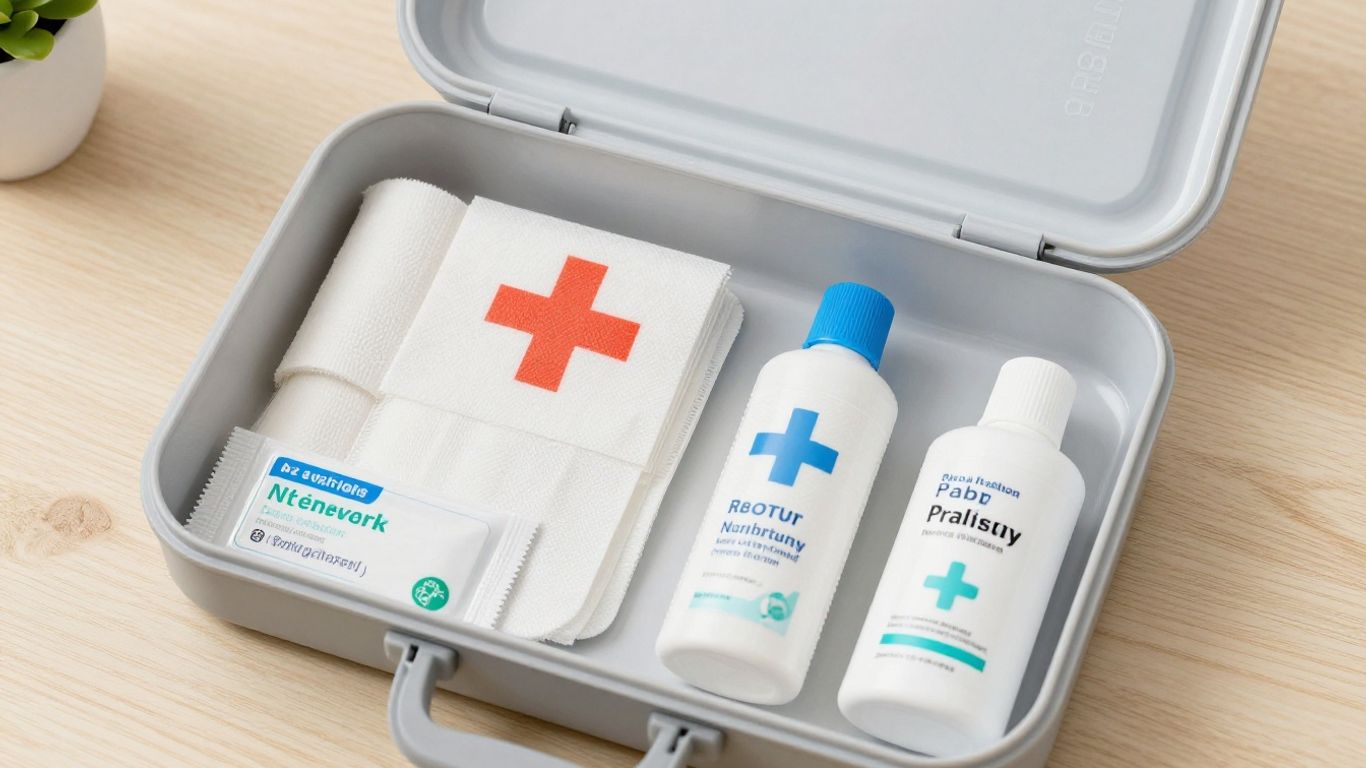
Okay, so you've got the big stuff covered, but what about those little boo-boos and sniffles that are bound to happen? A well-stocked first aid kit is a lifesaver, seriously. You don't need a whole pharmacy, just the basics to handle common baby ailments.
Think about what you might need in those first few weeks and months. A stuffy nose is almost a guarantee, so a good nasal aspirator and saline drops are a must. For tummy troubles, gas drops or gripe water can offer some relief. And of course, you'll want things for minor cuts or scrapes, though hopefully, those are few and far between!
Here’s a quick rundown of what to consider:
- Nasal Aspirator & Saline Drops: For clearing out tiny noses. A silicone aspirator is gentle and effective. FridaBaby Nasal Aspirator is a popular choice.
- Thermometer: A reliable digital thermometer is key for checking fevers.
- Gas Relief: Gripe water or gas drops can help soothe a fussy tummy.
- Basic Wound Care: Antiseptic wipes and a few sterile gauze pads for any unexpected owies.
- Baby-Safe Pain Reliever: Consult your pediatrician about which one to have on hand and the correct dosage.
It's a good idea to keep this kit somewhere easily accessible, but out of reach of curious little hands once they start crawling. You never know when you'll need it in a pinch!
Don't forget to check expiration dates periodically and restock anything you use. Having these items ready means you can deal with minor issues quickly and keep your little one comfortable.
25. Baby Book and more
Okay, so we've covered the big stuff, but what about those little extras that make a big difference? This section is for those sentimental items and a few practical bits that didn't quite fit elsewhere. First up, the baby book. This isn't just a place to jot down milestones; it's a time capsule for those fleeting early days. Think of it as a way to capture the magic before it all becomes a blur. You'll want something you can bring to the hospital for those first tiny footprints. Some parents love a journal where you write one line a day for five years, letting you compare each year side-by-side. It's a simple way to see how much has changed.
Beyond the book, let's talk about a few other odds and ends that are surprisingly useful:
- Board Books: Babies love to chew and explore, so sturdy board books are perfect. Look for ones with bright colors and different textures. A good starting point is a curated list of recommended board books for babies [3f6a].
- Soft Washcloths: You can never have too many. Use them for spit-up, wiping faces, or even as a makeshift burp cloth in a pinch.
- Gift Cards: Seriously, these are gold. Especially for restocking diapers and wipes, which you will go through at an alarming rate. Amazon or Target gift cards are always a win.
And for those who want to get a head start on saving for your little one's future, consider adding a contribution to a 529 education fund to your registry. It's a gift that truly keeps on giving.
Remember, the goal of a minimalist registry is to focus on what you actually need. These extra items are about preserving memories and adding a touch of practicality, not about accumulating more stuff. It's about being intentional with what you bring into your home and your baby's life.
Thinking about your little one's arrival? Our "Baby Book and more" section has everything you need to get ready. From packing your hospital bag to setting up the nursery, we've got you covered. Don't miss out on making this special time stress-free. Visit our website today to start planning!
You've Got This!
So there you have it – a stripped-down list of baby essentials that actually make sense. It might feel a little strange at first, especially if you're used to seeing those massive registry lists everywhere. But trust us, focusing on what you truly need means less clutter, less stress, and more time to actually enjoy those precious early days with your little one. You've got this, and your minimalist approach will thank you later!
Frequently Asked Questions
Why is a minimalist baby registry a good idea?
A minimalist baby registry helps you focus on the things you'll actually use. It saves space, reduces clutter, and can save money. You won't end up with a bunch of baby stuff you don't need or won't use, making life easier for new parents.
Do I really need a breast pump if I plan to breastfeed?
Yes, it's a good idea to have a breast pump, even if you plan to breastfeed most of the time. It's useful for building a milk stash, for times when you can't be there for a feeding, or if you experience latching issues. Many insurance plans cover the cost of one.
How many bottles should I register for?
You don't need a huge collection. Start with a small set of about 4-6 bottles. You can always get more if needed. Look for ones that are easy to clean and made of safe materials like silicone.
What's the deal with onesies on a minimalist registry?
You'll likely receive many onesies as gifts! It's best not to register for a large quantity. Focus on other essentials, and if you find you need more, they are easy to buy later.
Are things like wipe warmers or bottle sterilizers really necessary?
Most parents find these items aren't essential. Babies get used to room-temperature wipes quickly, and bottles can be cleaned well in a dishwasher or by boiling. These gadgets often take up extra space and aren't worth the hassle for a minimalist approach.
When should I finalize my baby registry?
It's best to have your registry ready about 8 to 10 weeks before your baby's due date. This gives people enough time to buy gifts, and it gives you time to add or remove items as you think more about what you truly need.
Ready to get prepared?
Build your personalized pregnancy checklist
Free, personalized, and built around your birth plan, budget, and due date.
Start My Checklist — Free →