Why You Need to Pack Your Hospital Bag by Week 36 (And What to Prep)
Learn when to pack hospital bag, week 36 pregnancy to-do list, last-minute baby prep to stay calm for delivery day.

Key Takeaways
Preparing for the arrival of your new family member is an exciting journey that benefits from intentional organization. Getting your hospital bag ready by week 36 ensures you are prepared for whatever comes next.
- Pack primary essentials well before the due date to minimize anxiety.
- Include comfort items for both parents and the baby simultaneously.
- Verify that your administrative paperwork is easily accessible at all times.
- Remember to keep necessary documents in a clearly labeled folder.
- Trust that having these supplies packed provides significant peace of mind.
The importance of the week 36 deadline
Reaching the final month of gestation is a major milestone that shift priorities toward imminent arrival. By the time you reach week 36, having your bags ready is a central piece of your third-trimester checklist for handling unexpected timing. Organizing your gear early helps create a sense of control during an already unpredictable transition period.
Understanding the realities of early labor
The onset of labor often happens when it is least expected, making preparation vital. Even if you plan for a specific date, nature often has its own schedule, and having your bags packed ensures you are ready regardless of when contractions begin. This no-nonsense guide reminds us that early preparation is a practical way to manage the physical and emotional shifts that define the final weeks of pregnancy.
Easing parental anxiety through preparation
Nervousness is a natural part of the process, particularly for those facing first-time parenting roles. Many parents find that using resources like BumpReady provides a clear roadmap, turning overwhelming to-do lists into manageable, bite-sized tasks. When you know your essentials are waiting by the door, you can focus more on resting and bonding.
Avoiding the stress of last-minute scrambles
Trying to locate socks or insurance cards mid-labor is an experience you definitely want to avoid. Using a hospital bag checklist helps you group items logically so you never have to search for basics during high-pressure moments. This foresight is a defining key to keeping calm while transitioning to the hospital environment.
Packing for mom: comfort and recovery
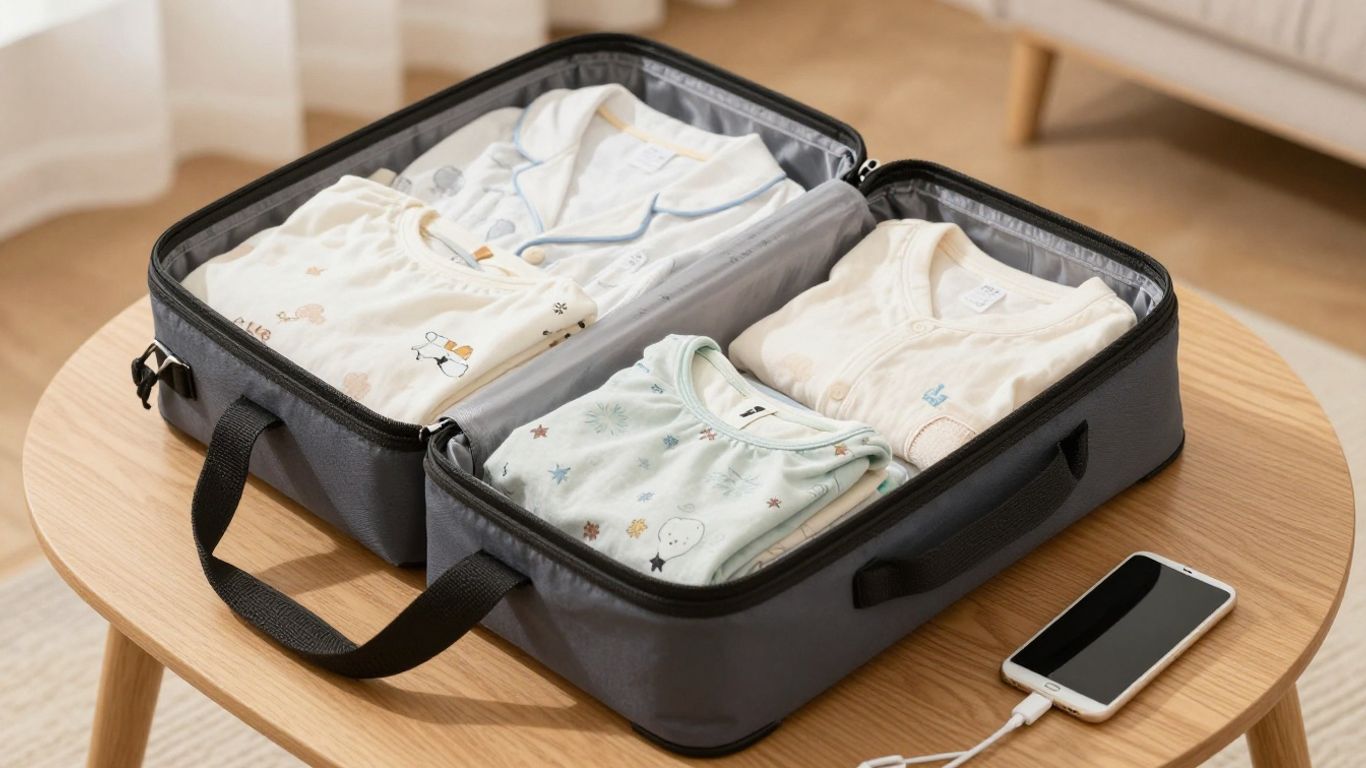
Your comfort is paramount during both the labor process and the recovery period afterward. It is helpful to visualize your stay as a few days of potential rest and activity, necessitating clothes that feel soft and supportive against your skin.
Essential toiletries and personal care items
Keeping your standard skincare routine simple helps you feel refreshed after a long session. You might favor fragrance-free options that prioritize soothing sensitive skin. Following a hospital bag guide from your care team ensures you pack consistent items that meet hospital safety standards.
Selecting comfortable postpartum loungewear
Choose fabrics that are breathable and loose-fitting for maximum ease of movement. Whether you prefer oversized nightgowns or elastic-waist loungewear, your garments should facilitate both recovery and skin-to-skin contact with your baby comfortably.
Nutritious snacks and hydration for labor support
Maintaining your energy levels is critical throughout the stages of birth. Integrating specific snacks can keep you sustained during long or active hours at the facility.
| Snack Category | Recommended Option | Notes For Labor |
|---|---|---|
| Quick Energy | Dried Fruit | Easy to digest |
| Hydration Boost | Coconut Water | Electrolytes included |
| Protein Source | Nut Butter Packets | Keeps you full |
Selecting snacks that are easy to eat helps you maintain your strength without feeling weighed down by heavy meals.
What your birth partner needs to pack
Your partner often acts as the primary point of contact for staff, so they need a separate space in your luggage for their own essentials. They should be focused on their role as your primary support system instead of worrying about missing necessities.
Tech essentials, chargers, and entertainment
Long hours at the hospital often involve a fair amount of downtime between medical checks. Packing multiple long charging cables ensures your devices remain powered so you can capture memories or communicate with family.
A change of clothes and basic grooming supplies
It is common for the birth support person to spend quite a long time in the hospital, so a change of fresh clothes is vital. Including fresh socks and layered clothing will keep them comfortable during fluctuating temperatures in the birthing center.
Preparing for potential overnight stays
Planning for a full overnight shift ensures both parents can focus on the newborn rather than household logistics. Here are the items that make a stay manageable:
- Several sets of comfortable, neutral-colored clothing
- Reliable water-resistant footwear for showers
- A travel pillow to improve sleep during downtime
- Personal hygiene kit with extra toothpaste
Having these items ready helps your partner remain fully present without having to run home for forgotten supplies.
Must-haves for your newborn
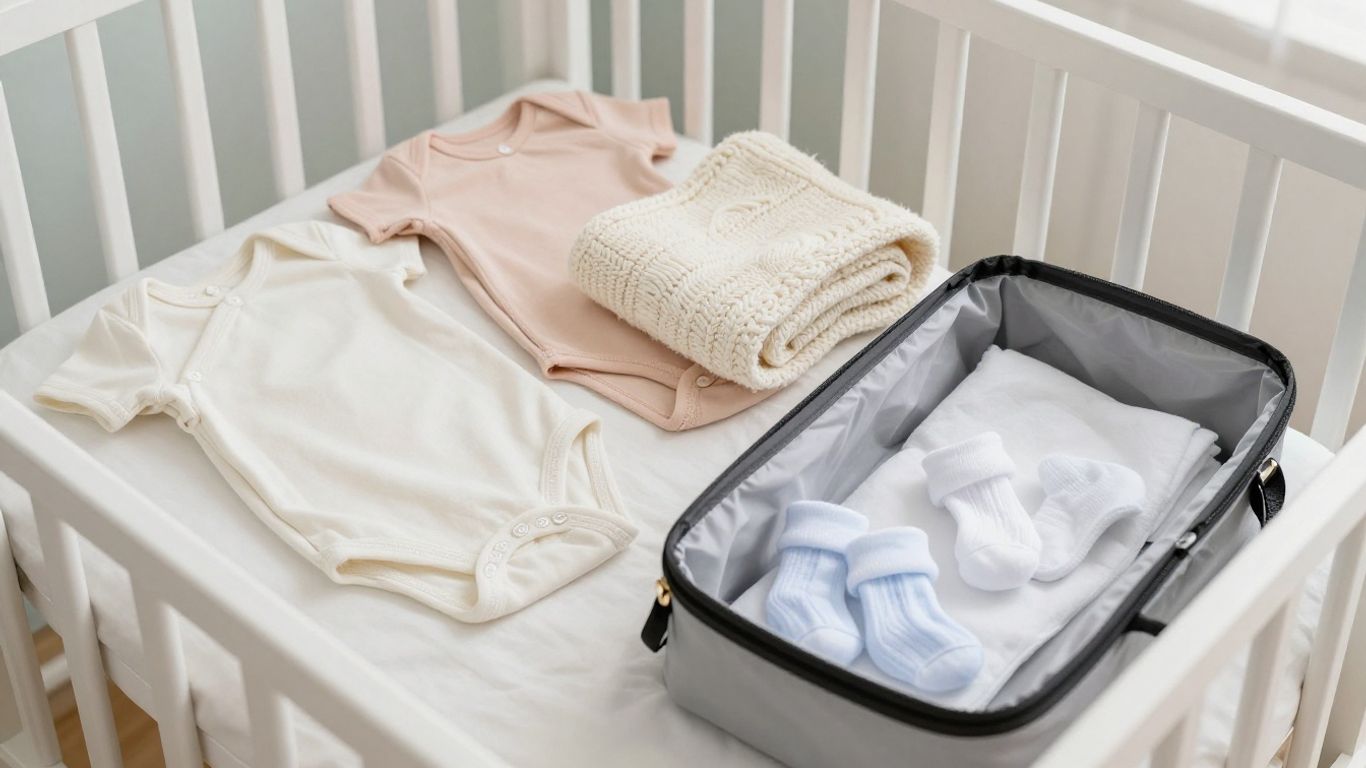
Newborns require significantly less than we often think, but having a few specific items ensures they are warm and secure from the start. Trust in the basics provided by your care team while bringing a few familiar pieces for that first trip out.
Navigating the first outfit and swaddles
Choose soft, simple outfits that are easy to change quickly. BumpReady suggests prioritizing pieces that have simple fasteners to make your first experience as easy as possible. Bringing a few swaddles helps keep your baby feeling cozy in their new environment.
Ensuring safe car seat installation
Verify that your car seat is correctly installed well before the expected release day. Familiarize yourself with the mechanism so you feel completely confident securing your infant for the trip home.
Minimal hygiene supplies for the hospital stay
Newborns generally need very little by way of cleaning products, as hospital protocols are strict. Stick to a few gentle wipes and a single pack of infant-safe diapers just in case, though the staff will have plenty available.
Essential documentation and administrative items
Paperwork is easy to overlook when you are busy focusing on physical items. Keeping all your documents in a single, accessible folder ensures you never arrive at registration without the necessary information.
Organizing insurance cards and photo identification
Place your insurance coverage details and government-issued ID at the front of your folder. This allows the administrative team to process your registration quickly without adding stress to your arrival.
Preparing birth plan copies and pediatric preferences
If you have drafted a formal birth plan, print several copies for the nursing staff. Additionally, keep a note of your pediatrician selection so you can relay that information to the hospital staff immediately if asked.
Setting up an emergency contact list
Keep a written list of important phone numbers nearby as a backup to your digital phone contacts. Having this information on paper is a reliable safety net if your devices lose power or service during the labor excitement.
Last-minute tips for a smooth hospital stay
Final logistics are the last step before heading out the door for your big day. Once your bags are packed using an optimal bag guide, check your home and your vehicle so nothing distracts you once the process begins.
Managing your go-bag logistics for easy access
Keep your packed bags near the front door once you hit week 36. This eliminates any searching or rearranging when it is time to depart, allowing BumpReady users to focus entirely on the trip to the hospital.
Completing final house-prep tasks before departing
Do a quick sweep of your kitchen to toss any items that will expire during your absence. Reset your living space to a tidy state so that returning home with a new baby feels comfortable and welcoming.
Final checks for your newborn’s travel arrangements
Conduct one last walk-through of the car to ensure all transit items are clear and ready to use. This final audit provides the mental clarity needed to leave home with confidence.
Conclusion
Preparing for birth at week 36 is an act of care that benefits your future self. By having your items organized, you create the calm environment necessary to welcome your newest family member into the world, allowing you to focus on the moments that matter most.
Frequently Asked Questions
Should I wash all newborn clothes before packing them?
Yes, it is generally recommended to wash any items that will touch your newborn's skin using a gentle, fragrance-free detergent to prevent irritation.
Is it okay to bring my own pillow from home?
Many parents find that bringing their own pillow makes sleeping in a hospital bed significantly more comfortable, though you should label it clearly so it does not get mixed up with hospital linen.
Do I need to pack diapers for the baby?
While hospitals provide a supply of diapers for the duration of your stay, keeping a few in your bag can be a helpful convenience if you have specific preferences or sensitive skin needs.
How many outfits should I pack for myself?
It is wise to plan for a stay of at least two to three days, so bringing three comfortable sets of loungewear is usually sufficient for recovery.
Can my partner bring their own food?
Yes, partners often find that bringing their own non-perishable snacks is helpful, as hospital facilities may have limited dining hours late at night.
Is it necessary to bring a breast pump?
Most hospitals have high-grade equipment available for you to use if needed, so it is often better to leave yours at home to save space in your bag.
What if I forget something important?
Try not to worry, as most hospitals are well-stocked with the essentials needed for birth recovery, and friends or family can always bring forgotten items later.
Ready to get prepared?
Build your personalized pregnancy checklist
Free, personalized, and built around your birth plan, budget, and due date.
Start My Checklist — Free →