Your 20-Week Ultrasound Checklist: What to Expect at the Anatomy Scan
Learn anatomy scan what to expect, gender reveal party ideas, 20-week ultrasound checklist for your coming baby visit.

Key Takeaways
Reaching the midway point of your pregnancy is an exciting milestone that includes a significant health checkup. Here is what you need to know about preparing for your upcoming visit:
- The anatomy scan confirms healthy development across major organ systems.
- Proper hydration is essential for clear, accurate imaging results.
- You can choose to find out your baby’s biological sex.
- Most findings are discussed shortly after the exam concludes.
- Having a pre-planned question list helps reduce your anxiety.
Understanding the purpose of the anatomy scan
This diagnostic ultrasound serves as a comprehensive bridge between early pregnancy checkups and your final trimester preparations. It acts as a detailed assessment to ensure your baby is growing well while providing a moment for you to visualize their development. Understanding anatomy scan what to expect helps transform a potentially nervous moment into one of relief and wonder.
What defines a mid-pregnancy anatomy ultrasound
This specific ultrasound utilizes high-frequency sound waves to generate detailed images of your baby and their internal environment. Unlike routine office visits, this procedure requires a trained sonographer to systematically review your baby from head to toe. It is a detailed examination that captures images of the brain structure, facial features, heart chambers, and limbs to confirm everything is forming correctly.
Why the 20-week milestone is medically significant
At this stage, your baby has grown enough for the ultrasound equipment to clearly visualize intricate details like heart valves and subtle tissue structures. Medical teams look for specific developmental markers at 20 weeks because it is the optimal window for screening. Identifying congenital conditions early allows you and your healthcare team to plan for appropriate medical support immediately following birth.
Differentiating between a standard growth scan and an anatomy scan
Many parents confuse basic growth checks with the full anatomy survey, but they serve different clinical goals. While a growth scan focuses mainly on measurements like fetal weight and length during the third trimester, the anatomy scan provides a holistic view of structural health. To illustrate these differences, we have outlined the standard areas of focus below.
| Feature | Standard Growth Scan | Full Anatomy Scan |
|---|---|---|
| Scope | Primary Size/Weight | Structural Organs/Systems |
| Depth | Limited View | Comprehensive Assessment |
| Goal | Tracking Trends | Checking Development |
These distinct approaches ensure that your medical team is reviewing every necessary biological requirement for a healthy pregnancy. By knowing exactly what each exam covers, you can better prepare for your appointment without unnecessary worry.
Preparing for your 20-week ultrasound checklist

Arriving ready for your mid-pregnancy exam allows the sonographer to capture high-quality images with minimal discomfort. This preparation phase is about setting a calm, organized tone for the day. You should consider using a tool like your personalized checklist to keep track of your requirements, clothing, and the questions you need to ask your care provider.
Managing hydration and bladder requirements for better visibility
Most clinics request that you arrive with a full bladder to ensure your uterus is pushed into a position that allows the fetus to be seen more easily. The liquid acts as a window, letting ultrasound waves travel more effectively toward your baby. Drinking the recommended amount of water one hour before your visit makes the entire process faster and smoother for both you and the technician.
Deciding on your support person and appointment environment
Bringing a partner or close family member is permitted in most settings to share in the joy of seeing your baby move. Discuss your preferences with the medical facility beforehand, as some office environments limit the number of visitors in the small scanning room. Whether you come alone or with a loved one, prioritizing a relaxing environment is key to your experience.
Drafting your list of questions for the sonographer and technician
It is common to feel overwhelmed during the appointment, so keep a written list of priorities on your phone or in a notebook. You might want to ask about your baby's current measurement percentiles or the overall clarity of the visible images. Being proactive here ensures you leave the office feeling confident in the 20-week ultrasound milestone and the health status of your baby.
What the medical team examines during the scan
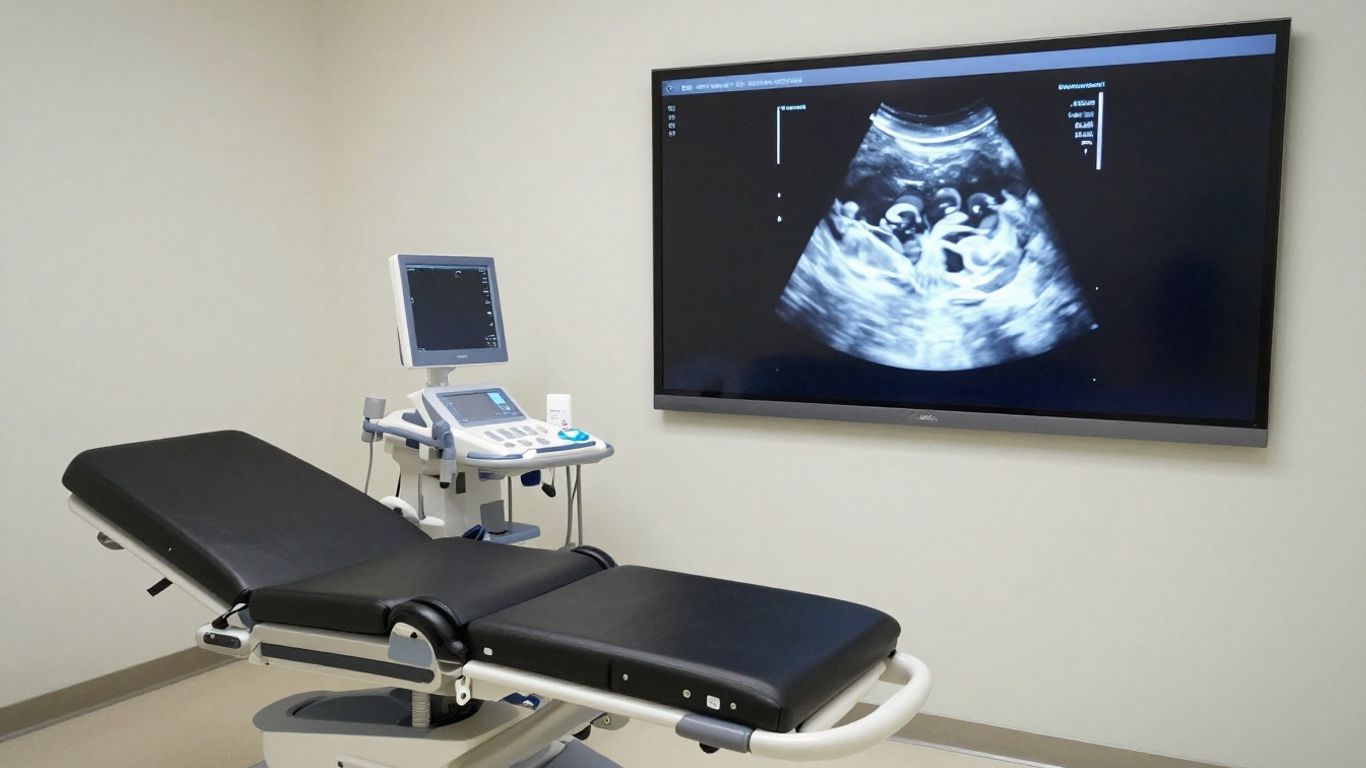
When you finally lay down, the sonographer moves the transducer across your abdomen in a pattern that systematically documents the baby’s internal health. They are checking for symmetrical development of major organs to confirm that functions like digestion, circulation, and filtration are operating as expected. This meticulous process ensures no detail is overlooked before the session concludes.
Detailed assessment of fetal organ development
Technicians spend significant time observing the heart, kidneys, stomach, and brain for structural integrity. The cardiac review often confirms that all four chambers are present and blood flow is rhythmic. While this portion of the scan takes the most time, it provides you with a crucial update on your baby's readiness for life on the outside.
Measuring amniotic fluid levels and placenta positioning
Beyond checking the baby, the sonographer maps out the environment surrounding the fetus. The volume of amniotic fluid must fall within a safe range to cushion your baby and support their movement. Additionally, checking the placenta's placement helps clinicians ensure that the gateway for nutrient delivery is positioned correctly, which helps everyone prepare for a smooth delivery process.
Checking fetal heart rate and measurement milestones
Consistent measurements of the femur length, head circumference, and abdominal diameter are plotted against clinical growth charts. Hearing the heartbeat is often the highlight for many expectant parents, and its rate provides a simple indicator of ongoing stability. We suggest reviewing these following metrics afterward:
- Fetal heart rate rhythm.
- Limb size and bone development.
- Spinal column alignment.
- Facial profile and structure.
These checks, combined with regular care, provide a stable foundation for your late-pregnancy journey.
Navigating the gender reveal experience
Discovering the sex of your baby can be a highlight of the 20-week visit, but it requires advance communication with your medical team. Many parents choose to turn this information into a festive announcement, often using various gender reveal party ideas to share the happiness with their community. Remember that this information is entirely your choice to receive or keep secret until birth.
Requesting surprise results for a gender reveal surprise
If you prefer to have the news revealed at a later party, notify the sonographer before the imaging begins. Many technicians are happy to seal the gender information in an envelope or provide the results directly to a family member or event planner. Communicating your intent clearly prevents any unintended spoilers in the scan room.
Creative gender reveal party ideas to announce the news
Hosting a celebration involves choosing a reveal method that fits your personal style, whether it is a small kitchen gathering or an outdoor park event. Many families opt for confetti cannons or themed confectionery that highlights the baby's sex through color without focusing on expensive displays. The goal is to celebrate the upcoming addition to your family in a way that feels authentic to your lifestyle.
Handling the possibility of a "shy" baby who won't cooperate
Occasionally, a baby will curl up or stay in a position that makes determining sex impossible during a single appointment. If the baby is stubborn, do not feel discouraged, as this is a common occurrence that does not impact their health. Some parents find that a gentle snack or a brief walk around the waiting room helps encourage the baby to shift into a better view.
Moving forward after your appointment
Once the images are collected, you will typically talk to your doctor about the report details promptly. Navigating this stage involves staying patient with the process, whether the results are plain or require further explanation. Focus on reaching out to your trusted medical provider if you have lingering thoughts or specific questions after the screens go dark for the day.
Interpreting the preliminary findings and sonographer feedback
Most ultrasound technicians are not authorized to provide medical diagnoses in the moment, but they can confirm if the images were successful. You will usually review the full report with an obstetrician shortly after the scan. It is normal to feel nervous, but remember that most scans conclude with reassuring feedback regarding fetal growth.
Steps to take if further imaging is recommended
If the medical team requests a follow-up, it does not always indicate a serious issue; sometimes, they simply need a clearer angle to verify a single measurement. Your provider might order a specialized fetal echocardiogram or an appointment with a maternal-fetal medicine expert for additional clarity. These follow-ups ensure that the best diagnostic care is applied throughout your entire pregnancy.
Preserving and sharing your first baby photos
Modern digital imaging means you will often walk home with a digital album or printed thermal files of your baby's initial portraits. These photos are a wonderful way to begin your family history while providing a tangible link to the journey you are experiencing together. Framing these early mementos creates a peaceful reminder of the connection you have already started building.
Conclusion
Your 20-week anatomy scan is a meaningful opportunity to confirm your baby's development while taking a step toward your upcoming birth experience. By arriving prepared, understanding the medical components of the visit, and knowing how to handle potential outcomes, you can move forward with confidence throughout the rest of your pregnancy.
Frequently Asked Questions
Is the 20-week scan mandatory?
While ultrasounds are typically recommended as standard care, every patient has the right to discuss their personal medical choices with their provider.
Can I find out the gender at any time?
Determining sex is typically only possible once the baby has reached a certain size, which is why the 20-week milestone is the common point for this request.
Is the ultrasound painful?
No, the procedure uses sound waves to generate images and is non-invasive, though you may feel slight pressure from the transducer wand.
What if I cannot see the baby clearly?
If the baby is in a difficult position, the technician might ask you to move, cough, or walk around to encourage movement.
Can I record the ultrasound myself?
Clinic policies vary significantly on recording; always ask your specific medical facility about their rules on mobile phone usage during the exam.
How long does the appointment take?
Depending on how cooperative the baby is, the total exam usually lasts around 30 to 60 minutes.
Do I need to stop taking my medications?
Never alter your medication regimen before an ultrasound without explicitly consulting your primary care provider first.
Ready to get prepared?
Build your personalized pregnancy checklist
Free, personalized, and built around your birth plan, budget, and due date.
Start My Checklist — Free →